


Russian and soviet cinema
Traktory na rassvete
▪ ▪ ▪ ▪ ▪ ▪ ▪
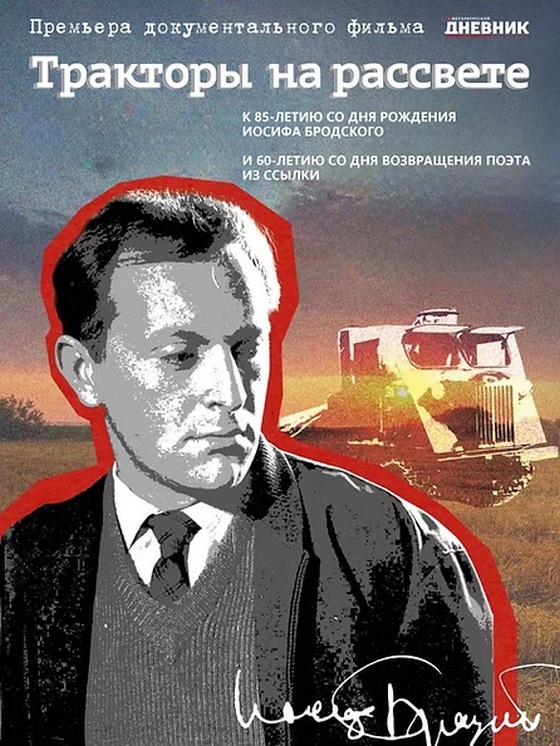
Тракторы на рассвете
Tractors at Dawn
Des tracteurs à l'aube
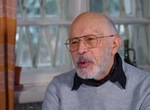
Directed by : Kirill SMIRNOV (Кирилл СМИРНОВ)
Based on the eponymous poem by Joseph Brodsky
Companies : Петербургский дневник (Journal de Saint-Pétersbourg)
Awards :
Best short documentary film Festival ''Cinema and literature'', Gatchina (Russia), 2026
Plot synopsis
The title of the documentary film *Tractors at Dawn* refers to a poem that Joseph Brodsky wrote whilst in exile — in the village of Norinskaya, near Arkhangelsk. The poet was sent there on charges of parasitism, and spent one and a half years there instead of the five he was sentenced to. Brodsky himself described this time as ‘the best of his life’ – a period of focused work and inner freedom, comparable to Pushkin’s ‘Boldino Autumn’.
The film marks the 85th anniversary of the poet’s birth and the 60th anniversary of his return from exile. The script is based on an exploration of biographical myths, rare archival materials and testimonies from those who knew Brodsky or studied his legacy. The filmmakers reflect on how exile influenced the poet’s work and why he did not want his fame to be linked solely to the circumstances of his fate. The film’s protagonists include philologists, architectural historians and staff at the house-museum in Norinskaya.
Selected in the following festivals or events :
- Festival ''Cinema and literature'', Gatchina (Russia), 2026
Images
Стихотворение Иосифа Бродского: Тракторы на рассвете
Poème de Joseph Brodsky : Les tracteurs à l’aube
Poem by Joseph Brodsky: Tractors at Dawn
Тракторы на рассвете
Тракторы просыпаются с петухами,
Петухи просыпаются с тракторами,
Вместе с двигателями и лемехами,
Тишину раскалывая топорами,
И в тумане утреннем по колено
Рокоча, выстраиваются вдоль фронта.
Тишина разваливается, как полено,
По обе стороны горизонта.
Затопляются печи. Дым вьется прямо.
Птицы склоняются над птенцами.
Лес, как гигантская пилорама,
Облака раскраивает зубцами.
И всходит солнце, и смотрит слепо,
И лучами сонные избы косит.
И тракторы возносятся, как птицы, в небо
И плугами к солнцу поля возносят.
Это рабочее утро. Утро Народа!
Трудовое утро с улыбкой древней.
Как в великую реку, глядит на людей Природа
И встаёт, отражаясь, от сна с деревней.
1965 г.
Les tracteurs à l’aube
Les tracteurs s’éveillent avec les coqs,
Les coqs s’éveillent avec les tracteurs,
Avec les moteurs et les socs de charrue,
Fendant le silence à coups de hache,
Et, dans la brume matinale jusqu’aux genoux,
Ils grondent et s’alignent le long du front.
Le silence se fend comme une bûche,
De part et d’autre de l’horizon.
On allume les poêles. La fumée monte toute droite.
Les oiseaux se penchent sur leurs petits.
La forêt, telle une gigantesque scierie,
Découpe de ses dents les nuages.
Et le soleil se lève et regarde aveuglément,
Et de ses rayons fauche les isbas endormies.
Et les tracteurs s’élèvent comme des oiseaux dans le ciel
Et de leurs charrues élèvent les champs vers le soleil.
C’est le matin du travail. Le matin du Peuple !
Le matin laborieux au sourire ancestral.
Comme dans un grand fleuve, la Nature regarde les hommes
Et se lève avec le village, reflétée, sortant du sommeil.
Tractors at Dawn
The tractors awaken with the roosters,
The roosters awaken with the tractors,
Together with engines and ploughshares,
Splitting the silence with axes,
And knee-deep in the morning mist,
They rumble and line up along the front.
The silence splits apart like a log,
On either side of the horizon.
The stoves are lit. The smoke rises straight.
Birds bend over their young.
The forest, like a gigantic sawmill,
Cuts the clouds apart with its teeth.
And the sun rises and gazes blindly,
And with its rays mows down the sleeping cottages.
And the tractors soar like birds into the sky
And with their ploughs lift the fields toward the sun.
This is a working morning. The morning of the People!
A morning of labour with an ancient smile.
As into a mighty river, Nature gazes upon the people
And rises with the village, reflected, out of sleep.
Poème de Joseph Brodsky : Les tracteurs à l’aube
Poem by Joseph Brodsky: Tractors at Dawn
Тракторы на рассвете
Тракторы просыпаются с петухами,
Петухи просыпаются с тракторами,
Вместе с двигателями и лемехами,
Тишину раскалывая топорами,
И в тумане утреннем по колено
Рокоча, выстраиваются вдоль фронта.
Тишина разваливается, как полено,
По обе стороны горизонта.
Затопляются печи. Дым вьется прямо.
Птицы склоняются над птенцами.
Лес, как гигантская пилорама,
Облака раскраивает зубцами.
И всходит солнце, и смотрит слепо,
И лучами сонные избы косит.
И тракторы возносятся, как птицы, в небо
И плугами к солнцу поля возносят.
Это рабочее утро. Утро Народа!
Трудовое утро с улыбкой древней.
Как в великую реку, глядит на людей Природа
И встаёт, отражаясь, от сна с деревней.
1965 г.
Les tracteurs à l’aube
Les tracteurs s’éveillent avec les coqs,
Les coqs s’éveillent avec les tracteurs,
Avec les moteurs et les socs de charrue,
Fendant le silence à coups de hache,
Et, dans la brume matinale jusqu’aux genoux,
Ils grondent et s’alignent le long du front.
Le silence se fend comme une bûche,
De part et d’autre de l’horizon.
On allume les poêles. La fumée monte toute droite.
Les oiseaux se penchent sur leurs petits.
La forêt, telle une gigantesque scierie,
Découpe de ses dents les nuages.
Et le soleil se lève et regarde aveuglément,
Et de ses rayons fauche les isbas endormies.
Et les tracteurs s’élèvent comme des oiseaux dans le ciel
Et de leurs charrues élèvent les champs vers le soleil.
C’est le matin du travail. Le matin du Peuple !
Le matin laborieux au sourire ancestral.
Comme dans un grand fleuve, la Nature regarde les hommes
Et se lève avec le village, reflétée, sortant du sommeil.
Tractors at Dawn
The tractors awaken with the roosters,
The roosters awaken with the tractors,
Together with engines and ploughshares,
Splitting the silence with axes,
And knee-deep in the morning mist,
They rumble and line up along the front.
The silence splits apart like a log,
On either side of the horizon.
The stoves are lit. The smoke rises straight.
Birds bend over their young.
The forest, like a gigantic sawmill,
Cuts the clouds apart with its teeth.
And the sun rises and gazes blindly,
And with its rays mows down the sleeping cottages.
And the tractors soar like birds into the sky
And with their ploughs lift the fields toward the sun.
This is a working morning. The morning of the People!
A morning of labour with an ancient smile.
As into a mighty river, Nature gazes upon the people
And rises with the village, reflected, out of sleep.