


Russian and soviet cinema
Poet
Character
Born in 1880
Died in 1934
Andrey BELY
▪ ▪ ▪ ▪ ▪ ▪ ▪
Андрей БЕЛЫЙ
Andreï BIELY
Also : Борис Николаевич Бугаев

From filmography
Character
2001 - Andrey Bely. Okhota na angela, ili Chetyre lyubvi poeta i proritsatelya (Андрей Белый. Охота на ангела, или Четыре любви поэта и прорицателя) from Andrey OSIPOV [documentary, 56 mn]
Sites : ru-Wilipedia, fr-Wikipedia, en-Wikipedia
Author :
Biography
Andrei Bely (real name Boris Nikolaevich Bugaev) is one of the major figures of early 20th-century Russian Symbolism. Born on October 26, 1880, in Moscow into an intellectual family — his father being a renowned mathematician — he grew up in an environment conducive to scientific and philosophical reflection. This dual influence, both rational and mystical, would profoundly shape all his work.
In 1899, he entered the Department of Natural Sciences at the Faculty of Physics and Mathematics of Moscow University and graduated in 1903. In 1904, he enrolled in the Faculty of History and Philology, but left it in 1906 to devote himself to writing.
From an early stage, Bely became involved in Moscow Symbolist circles, alongside poets such as Alexander Blok and Valery Bryusov. Russian Symbolism, influenced by philosophy and spirituality, sought to transcend material reality in order to reach a deeper truth. In Bely’s case, this quest takes on a particularly intense form, combining poetry, the musicality of language, and metaphysical reflection.
It is above all his novel Petersburg (1913) that secured him a central place in world literature. Often compared to the works of James Joyce, the novel is distinguished by its fragmented narration, symbolic imagery, and its exploration of the human psyche within the turbulent context of pre-revolutionary Russia.
After the Russian Revolution of 1917, Bely went through a period of doubt and instability. He traveled in Europe, notably in Berlin, before returning to the Soviet Union, where he continued to write, though within an increasingly restrictive political climate. His later work reflects a tension between his initial idealism and the realities of the Soviet regime.
Andrei Bely and Cinema
Although Bely was not directly involved in the film industry as a director or screenwriter, his work exerted a notable influence on the language of cinema, particularly in Russia. His use of literary “montage” — rapid juxtaposition of images, narrative fragmentation, variations in rhythm — anticipates techniques later found in filmmakers such as Sergei Eisenstein.
The novel Petersburg, with its hallucinatory visions and quasi-cinematic scenes, may be read as a work foreshadowing modern film language. Its descriptions often function like successive shots, creating a sense of movement and visual tension. Thus, even without direct involvement in cinema, Bely appears as a precursor in thinking about the relationship between image, time, and narrative. In fact, Andrei Bely himself wrote a draft screenplay for a film adaptation of the novel. However, this project was never completed.
In 1907, he wrote the beautiful essay ‘Синематограф’ (The Cinematograph), which you will find below in Russian, French and English
commentaries
- La poésie d’avant-garde russe des années 1920
Alexandra POPOVA-KRASOVEC, 2026, Université Jean Moulin de Lyon - Andreï Biély et Alexandre Blok
Stanislas de Courville, 2021, 1895, N°95, 2021 - Андрей Белый и эстетика синематографа [Andreï Biely et l'esthétique du cinéma]
В. РОГОВА, 2015, art-inschool.ru - «Балаган лучше кинематографа». Комментарии к первому выступлению В.Э.Мейерхольда о кино [Le "balagan" meilleur que le cinéma", Meyerhold et le cinéma]
Владимир ЗАБРОДИН, 2006, kinozapiski.ru
Images
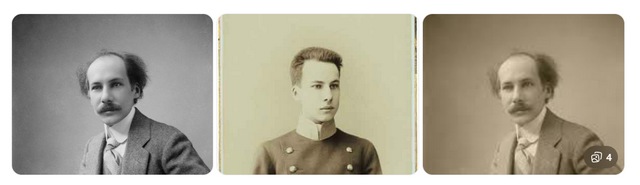
Синематограф
Синематограф – сколько целомудренной грусти, надежды, сколько воспоминаний при этом слове! Синематограф – чистое, невинное развлечение на сон грядущий после трудового дня! Синематограф – уют, трогательное поучение! Синематограф – предвестие.
Он возвращает нам простые истины, захватанные грязными руками; возвращает человеческое милосердие, незлобивость без всякой теоретики – просто, улыбчиво.
Синематограф – клуб: здесь соединяются для того, чтобы вывести нравоучение, попутешествовать в Америку, познакомиться с производством табаку на Филиппинских островах, посмеяться над глупостью полицейского, повздыхать над продающей себя модисткой, собираются, чтобы встретить знакомых – все, все: аристократы и демократы, солдаты, студенты, рабочие, курсистки, поэты и проститутки. Он – точка единения людей, разочарованных в возможности литературного, любовного единения. Приходят усталые, одинокие – и вдруг соединяются в созерцании жизни, видят, как она многообразна, прекрасна, и уходят, обменявшись друг с другом взглядом случайной, а потому и более всего ценной, солидарности: эта солидарность не вытекает из чего-либо предвзятого, а из сущности человеческой натуры. Быть может, одинокие, разочарованные люди только потому и верят в свет, вопреки всему, что они ходят в синематограф. Синематограф возвращает им любовь к жизни. Да, это – несомненно, и кто мне докажет обратное?
Приходит человек, которого обманули люди, предавали и топили друзья – и вдруг видит, как собака спасает малютку; приходит и задумывается: если зверю не отказано в том, в чём отказано большим, так называемым культурным людям, то несомненно: такой отказ – только частное исключение. И вот в человеке совершается мистерия очищения, просветления. Она происходит не под аккомпанемент выкриков о "дерзающей красоте", нет, – под звуки разбитого рояля, над которым согнулся какой-нибудь неудачник-тапёр или тапёрша с подвязанной щекой (чаще всего – старая дева), происходит в душе мистерия жизни.
Многие посещают синематограф только тогда, когда душа у них в синяках. Напрасно: приходили бы почаще – синяков бы не было. Но хорошо, что приходят, только пусть они учатся у синематографа жизни (которую растеряли в ложных поисках её), пусть учатся невинно, как дети, а, главное, без надрыва: ох, уж и беда с этими надрывниками да надрывницами! (Не с жиру ли бесятся?) Нет: тот, кого спасает синематограф, уж конечно не позволит себе такого буржуазного времяпрепровождения, как надрыв. Надрывникам нужен синематограф исключительно для того, чтобы полюбоваться собой в рамке пошлости: и тут они попадают впросак, потому что какая же пошлость в синематографе? Надрывники – пошлая рамка прекрасной живой фотографии, и потому-то нужно их безжалостно экспроприировать из комнаты, в которой совершается действо.
Синематограф, сохраняя человеку его индивидуальность, приобщает его к общему действу в гораздо большей мере, чем все теоретические постройки к соборному индивидуализму. Синематограф – демократический театр будущего, балаган в благородном и высоком смысле этого слова. Всё, что угодно, только не "Балаганичик" [7]. Уж, пожалуйста, без "ичик"; все эти "ичики" – ехидная и, признаться сказать, гадкая штука. Уменьшительные слова выражают нежность, будто достаточно к любому слову приставить маниловское "ичик" – и любое слово ласково так заглянет в душу: "балаганчики" мистерию превращают в синематограф; синематограф возвращает нам здоровую жизнь, без мистического "ичиканья", правда, – но с мистическим трепетом.
Синематограф с быстротой молнии обвезёт вас вокруг земного шара – только глупо, если вы сосредоточитесь во время кругосветного путешествия на пятнах, дрожании, треске фонаря: это всё устранимые зрительные и иные технические дефекты, между тем как мистическое "ичиканье" наносит непоправимый дефект душе.
Последнее слово новейшей русской драмы, это – внесение пресловутого "ичика" в наиболее священную область – в трагедию и мистерию. Слава Богу, такой драмы вы не встретите в синематографическом действе, которое не лезет туда, где всё – святыня. И оттого-то из драмочки не выйдешь к святыне, а синематограф возрождает в душе уверенность в том, что мистерия остаётся неосквернённой: осквернятся кощуны.
Но вернёмся к синематографу.
здесь всё начинается с кукольной жизни – и далее: переходит к жизни человеческой, к её смыслу, целям – и далее: excelsior! В литературе часто обратно: от человека к сверхчеловеку и далее – к марионетке; от мистерии, храма – к кукольному действу под огромным, как купол храма, дурацким колпаком. Если бы такое кощунство происходило от потери веры в жизнь, оно вело бы к гибели: но отчего же никто не гибнет? Отчего кощунственное дерзновение осеняет грудь смышленых людей, спокойно делающих свою литературную и прочую карьеру? Многие из них совершают триумфальное шествие по жизни – может быть в колеснице, везомые на костёр? О, нет: просто в удобных тележках в виде корзиной развёрнутого журнала, везомые теми бездарными критиками, которых у них хватает смелости превозносить. Но выбирали бы они уж добрую колесницу, добрых коней (орловских рысаков, что ли), не детские тележечки (мистический анархизм, например), запряжённые пегашками, – ей-ей смешно! Впрочем, пегашка, может быть, и не пегашка, а сивка-бурка-каурка? ~ вдруг не каурка?
Но вернёмся к синематографу.
Синематограф освобождает нас от грязненького привкуса марионеточной мистерии; жизнь предстоит нам очищенной. В мистериях всё не люди, а странные «Мужи», «Девы Радужные», «Облечённые» и т.д. Но часто они не выдерживают своей роли, да в середине мистерии так тупо, тупо улыбнутся: «гыы, гыы». Наивные добряки поднимают персты и гаркают, как по команде: «Дерзнул, ещё дерзнул! Дерзнёт и ещё», словно дело идёт о чиханье, невежестве, трынтравизме . И получается одно большое: «Ай-люли!»
Но вернёмся к синематографу.
В синематографе извращённое косоглазие остаётся у нас за плечами. Верим в мистерию только потому, что нет здесь покушений на всё с негодными средствами. Там – наплевать! здесь – целомудренное дыхание жизни сквозь скудную, скудную обстановку (разбитое пианино, старая дева, меланхолический вальс и собачка, спасающая ребёнка). И в душе снова радость: «Ещё не всё оплёвано!» И люди отдыхают, смеются и расходятся по домам.
Как-то я встретил в синематографе барышню с детскими милыми глазами – посетительницу концертов Олениной д`Альгейм [8] лекций Бальмонта, Брюсова ... Только что перед тем я видал её у себя на лекции, и мне было приятно во время чтения замечать открытые, честные глаза. Но во сколько раз мне приятнее было встретить мою незнакомку в синематографе! Мы переглянулись, как знакомые, я мысленно ей говорил: «Милый ребёнок, хорошо, что ты всем интересуешься. Милый ребёнок, только подальше от всяких мистерий; поменьше мистерии, побольше синематографа!»
Но вернёмся к синематографу.
Я случайно открыл синематограф, уйдя с обеда французских писателей в Париже, несших пошлейшую ахинею слов. Писатели, каждый в отдельности, вероятно, были в тысячу раз умнее того, что они говорили, собравшись в литературное стадо. Я хотел смыть налипшие в мозгу слова и зашёл в кафе-концерт. Оголённые дамы на сцене и оголённые дамы в фойе. Хотя это было уже гораздо лучше разговоров о литературе, но тут был надрыв, а ... зачем надрыв? И пошёл я бесцельно шататься по залитым светом бульварам. Непроизвольно попав в синематограф, – я ушёл из него, как из храма, с молитвой в сердце: там изображался крестный ход, а бледная француженка прекрасным драматическим сопрано молитвенно пела из тёмного угла: «Аve Maria». Я стал ревностным посетителем синематографа. Он избавил меня от многих минут уныния, всегда нараставшего после разговоров о мистерии. Как хотел бы я передать своё отношение к синематографу часто нервным, неопытным юным литераторам: «Да будет с вами Тайна под маской бережного отношения к слову! Да краска стыда зальёт ваши щёки при встречах со сверх-литераторами: перебегайте улицу скорей и Духа не угашайте – ходите в синематограф!».
Борис Бугаев 1907.
Le Cinématographe
Le cinématographe — que de chaste mélancolie, d’espoir, que de souvenirs dans ce mot ! Le cinématographe — un divertissement pur, innocent, pour la nuit qui vient après une journée de travail ! Le cinématographe — le confort, une leçon touchante ! Le cinématographe — un présage.
Il nous rend des vérités simples, souillées par des mains sales ; il nous rend la miséricorde humaine, la bonté sans aucune théorie — simplement, avec le sourire.
Le cinématographe est un club : on s’y rassemble pour en tirer une leçon morale, pour voyager en Amérique, pour découvrir la production du tabac aux Philippines, pour rire de la stupidité d’un policier, soupirer sur une modiste qui se vend, pour rencontrer des connaissances — tous, tous : aristocrates et démocrates, soldats, étudiants, ouvriers, étudiantes, poètes et prostituées. C’est le point de rencontre des hommes déçus par la possibilité d’une union littéraire ou amoureuse. On y vient fatigué, solitaire — et soudain on s’unit dans la contemplation de la vie, on voit combien elle est diverse et belle, et l’on repart en échangeant un regard de solidarité fortuite, et d’autant plus précieuse : cette solidarité ne découle d’aucun préjugé, mais de l’essence même de la nature humaine. Peut-être que les hommes solitaires et désabusés ne continuent de croire à la lumière, malgré tout, que parce qu’ils vont au cinématographe. Le cinématographe leur rend l’amour de la vie. Oui, cela est indéniable — et qui pourrait me prouver le contraire ?
Un homme vient, trompé par les hommes, trahi et accablé par ses amis — et soudain il voit un chien sauver un enfant ; il réfléchit : si une bête n’est pas privée de ce dont sont privés de grands êtres dits cultivés, alors, sans aucun doute, ce refus n’est qu’une exception particulière. Et alors s’accomplit en lui une sorte de mystère de purification, d’illumination. Cela ne se produit pas sous les cris d’une « beauté audacieuse », non — mais sous les sons d’un piano désaccordé, sur lequel se penche quelque pianiste raté, ou une pianiste à la joue bandée (le plus souvent une vieille fille) : dans l’âme se joue le mystère de la vie.
Beaucoup ne vont au cinématographe que lorsque leur âme est couverte de bleus. En vain : s’ils y allaient plus souvent, ils n’en auraient pas. Mais il est bon qu’ils viennent ; qu’ils apprennent du cinématographe la vie (qu’ils ont perdue dans de fausses recherches), qu’ils apprennent avec innocence, comme des enfants, et surtout sans déchirement : ah, quel fléau que ces âmes tourmentées ! (N’est-ce pas par excès de confort qu’elles s’agitent ?) Non : celui que sauve le cinématographe ne se permettra certainement pas un passe-temps aussi bourgeois que le déchirement. Les âmes tourmentées n’ont besoin du cinématographe que pour s’admirer elles-mêmes dans le cadre de la vulgarité — et là encore elles se trompent : quelle vulgarité y a-t-il donc dans le cinématographe ? Ce sont elles qui forment le cadre vulgaire d’une belle photographie vivante — et c’est pourquoi il faut les expulser sans pitié de la salle où se déroule l’action.
Le cinématographe, tout en conservant à l’homme son individualité, l’associe à une action commune dans une mesure bien plus grande que toutes les constructions théoriques du collectivisme individualiste. Le cinématographe est le théâtre démocratique de l’avenir, une baraque foraine au sens noble et élevé du mot. Tout, sauf un « petit baraquement ». De grâce, pas de diminutifs ; tous ces « -ichik » sont une chose perfide et, il faut bien le dire, détestable. Les mots diminutifs expriment la tendresse, comme s’il suffisait d’ajouter ce « -ichik » maniéré à n’importe quel mot pour qu’il devienne doux et insinuant : les « petites baraques » transforment le mystère en cinématographe ; le cinématographe, lui, nous rend une vie saine, sans ce « ichik » mystique — mais avec un frisson mystique.
Le cinématographe vous fera faire le tour du globe à la vitesse de l’éclair — mais il serait absurde de vous concentrer, pendant ce voyage, sur les taches, les tremblements, le crépitement de la lanterne : ce ne sont là que des défauts techniques corrigibles, tandis que le « ichik » mystique inflige à l’âme un défaut irréparable.
Le dernier mot du drame russe contemporain, c’est l’introduction de ce fameux « ichik » dans le domaine le plus sacré : la tragédie et le mystère. Dieu merci, vous ne trouverez pas un tel drame dans l’action cinématographique, qui ne s’immisce pas là où tout est sacré. Voilà pourquoi, d’une petite pièce, on ne sort pas vers le sacré, tandis que le cinématographe ravive dans l’âme la certitude que le mystère reste inviolé : ce sont les sacrilèges qui se profanent.
Mais revenons au cinématographe.
Ici tout commence par une vie de poupée — puis passe à la vie humaine, à son sens, à ses buts — et ensuite : excelsior ! Dans la littérature, c’est souvent l’inverse : de l’homme au surhomme, puis à la marionnette ; du mystère, du temple — à une représentation de poupées sous un énorme bonnet ridicule, pareil à un dôme de cathédrale. Si un tel sacrilège venait d’une perte de foi dans la vie, il mènerait à la ruine ; mais pourquoi donc personne ne périt-il ? Pourquoi cette audace sacrilège inspire-t-elle la poitrine d’hommes intelligents, poursuivant tranquillement leur carrière littéraire et autre ? Beaucoup d’entre eux triomphent dans la vie — peut-être dans un char les conduisant au bûcher ? Oh non : simplement dans de confortables petites charrettes en forme de revue dépliée, tirées par ces critiques sans talent qu’ils ont l’audace d’encenser. Mais qu’ils choisissent donc un bon char, de bons chevaux (des trotteurs d’Orel, par exemple), et non des petites carrioles enfantines (comme l’anarchisme mystique), attelées de rossinantes — vraiment, c’est risible ! Encore que cette rosse ne soit peut-être pas une rosse, mais un cheval fabuleux ? Et si ce n’était pas lui ?
Mais revenons au cinématographe.
Le cinématographe nous libère du goût sordide de la mystique marionnettique ; la vie se présente à nous purifiée. Dans les mystères, ce ne sont pas des hommes, mais d’étranges « Hommes », « Vierges arc-en-ciel », « Investis », etc. Mais souvent ils ne tiennent pas leur rôle, et au milieu du mystère, ils esquissent soudain un sourire stupide : « héhé ». De naïfs braves gens lèvent les doigts et crient en chœur : « Il a osé, encore osé ! Il osera encore », comme s’il s’agissait d’éternuer, d’ignorance ou de balivernes. Et cela devient un grand « tralala ».
Mais revenons au cinématographe.
Au cinématographe, le regard déformé reste derrière nous. Nous croyons au mystère justement parce qu’il n’y a pas ici d’atteinte avec des moyens indignes. Là-bas — du mépris ! Ici — le souffle chaste de la vie à travers un décor pauvre (un piano brisé, une vieille fille, une valse mélancolique et un petit chien sauvant un enfant). Et dans l’âme renaît la joie : « Tout n’a pas encore été souillé ! » Les gens se reposent, rient et rentrent chez eux.
Un jour, j’ai rencontré au cinématographe une jeune fille aux yeux d’enfant — habituée des concerts d’Olenina d’Alheim, des conférences de Balmont, Brioussov… Je venais justement de la voir à mon cours, et j’avais été frappé par son regard ouvert et honnête. Mais combien plus agréable fut pour moi de la rencontrer au cinématographe ! Nous échangeâmes un regard complice, et je lui disais en pensée : « Chère enfant, c’est bien que tu t’intéresses à tout. Mais reste loin des mystères ; moins de mystère, plus de cinématographe ! »
Mais revenons au cinématographe.
J’ai découvert le cinématographe par hasard, en quittant un dîner d’écrivains français à Paris, où l’on débitait les pires inepties. Pris individuellement, chacun était sans doute mille fois plus intelligent que ce qu’il disait dans ce troupeau littéraire. Je voulais me débarrasser de ces mots collés à mon esprit et entrai dans un café-concert. Des dames dénudées sur scène et dans le foyer. C’était déjà mieux que les discussions littéraires, mais il y avait une tension inutile… pourquoi donc ? Je me mis à errer sans but dans les boulevards illuminés. Entré par hasard dans un cinématographe, j’en sortis comme d’un temple, avec une prière au cœur : on y montrait une procession, et une pâle Française chantait dans l’ombre un « Ave Maria » d’un soprano émouvant. Je devins un fervent habitué du cinématographe. Il me délivra de bien des moments de mélancolie, toujours croissante après les discussions sur le mystère. Combien j’aimerais transmettre mon sentiment aux jeunes écrivains nerveux et inexpérimentés : « Que le Mystère soit avec vous sous le masque du respect du mot ! Que la honte vous monte au visage face aux sur-écrivains : traversez vite la rue et n’éteignez pas l’Esprit — allez au cinématographe ! »
Boris Bugaev, 1907
The cinematograph
The cinematograph — how much chaste sadness, how much hope, how many memories are contained in this word! The cinematograph — a pure, innocent entertainment for the coming night after a day’s labor! The cinematograph — comfort, a touching lesson! The cinematograph — a harbinger.
It returns to us simple truths, soiled by dirty hands; it restores human compassion, kindness without any theorizing — simply, with a smile.
The cinematograph is a club: people gather there to draw a moral lesson, to travel to America, to learn about tobacco production in the Philippine Islands, to laugh at the foolishness of a policeman, to sigh over a dressmaker selling herself, to meet acquaintances — everyone, everyone: aristocrats and democrats, soldiers, students, workers, female students, poets and prostitutes. It is a point of unity for people disillusioned with the possibility of literary or romantic union. They come weary and lonely — and suddenly unite in contemplating life, seeing how diverse and beautiful it is, and they leave after exchanging a glance of accidental, and therefore all the more precious, solidarity: this solidarity does not arise from any preconceived idea, but from the essence of human nature itself. Perhaps lonely, disillusioned people believe in light, despite everything, only because they go to the cinematograph. The cinematograph restores to them a love of life. Yes, this is undeniable — and who could prove me wrong?
A man comes, deceived by people, betrayed and ruined by friends — and suddenly he sees a dog saving a child; he reflects: if an animal is not denied what is denied to great so-called cultured people, then surely such denial is only a particular exception. And then within him occurs a kind of mystery of purification, of enlightenment. It does not happen to the accompaniment of cries about “daring beauty,” no — but to the sounds of a broken piano, over which bends some unsuccessful pianist, or a pianist with a bandaged cheek (most often an old maid); within the soul unfolds the mystery of life.
Many go to the cinematograph only when their souls are bruised. In vain: if they went more often, they would have no bruises. But it is good that they come; only let them learn life from the cinematograph (which they have lost in false pursuits), let them learn innocently, like children, and above all without strain: oh, what a misfortune these strained souls are! (Is it not from excess comfort that they rage?) No: the one whom the cinematograph saves will certainly not allow himself such a bourgeois pastime as emotional strain. The overwrought need the cinematograph only to admire themselves in the frame of vulgarity — and even here they fail, for what vulgarity is there in the cinematograph? The overwrought are themselves the vulgar frame of a beautiful living photograph, and therefore they must be mercilessly expelled from the room where the action takes place.
The cinematograph, while preserving a person’s individuality, involves him in a collective action far more than all theoretical constructions of communal individualism. The cinematograph is the democratic theater of the future, a fairground booth in the noble and elevated sense of the word. Anything at all, only not a “little booth.” Please, no diminutives; all these “-ichiks” are a spiteful and, frankly speaking, nasty thing. Diminutive words express tenderness, as if it were enough to attach a sugary “-ichik” to any word for it to peer gently into the soul: the “little booths” turn mystery into cinematograph; the cinematograph gives us back healthy life, without mystical “ichik-ing,” true — but with a mystical thrill.
The cinematograph will carry you around the globe with lightning speed — but it is foolish, during such a journey, to focus on spots, flickering, or the crackling of the lantern: these are merely technical defects that can be corrected, whereas mystical “ichik-ing” inflicts an irreparable defect upon the soul.
The last word of the newest Russian drama is the introduction of this notorious “ichik” into the most sacred domain — tragedy and mystery. Thank God, you will not encounter such drama in cinematographic action, which does not intrude where everything is sacred. That is why one does not emerge from a little play into the sacred, whereas the cinematograph revives in the soul the certainty that mystery remains unprofaned: it is the blasphemies that are profaned.
But let us return to the cinematograph.
Here everything begins with puppet life — and then passes to human life, to its meaning, its aims — and further: excelsior! In literature it is often the reverse: from man to superman and then to the marionette; from mystery, from the temple — to a puppet show under an enormous, temple-like ridiculous cap. If such sacrilege arose from a loss of faith in life, it would lead to ruin; but why does no one perish? Why does this sacrilegious daring inspire intelligent people who calmly pursue their literary and other careers? Many of them triumph in life — perhaps in a chariot carrying them to the stake? Oh no: simply in comfortable little carts shaped like unfolded magazines, drawn by those talentless critics whom they dare to praise. But let them choose a proper chariot, proper horses (Oryol trotters, perhaps), not childish carts (mystical anarchism, for example) harnessed to nags — truly, it is ridiculous! Though perhaps that nag is not a nag but some magical steed? And what if it is not?
But let us return to the cinematograph.
The cinematograph frees us from the dirty aftertaste of puppet-like mysticism; life appears to us purified. In mysteries there are not people, but strange “Men,” “Rainbow Maidens,” “Anointed Ones,” etc. Yet they often fail in their roles, and in the middle of the mystery suddenly grin stupidly: “hee-hee.” Naive good-natured people raise their fingers and shout in chorus: “He dared, dared again! He will dare again,” as if it were about sneezing, ignorance, or nonsense. And it all turns into one big “tralala.”
But let us return to the cinematograph.
In the cinematograph, distorted cross-eyed vision remains behind us. We believe in mystery precisely because there are no assaults upon it with unworthy means. There — contempt! Here — the chaste breath of life through meager surroundings (a broken piano, an old maid, a melancholic waltz, and a little dog saving a child). And in the soul joy returns: “Not everything has yet been spat upon!” People rest, laugh, and go home.
Once I met at the cinematograph a young lady with sweet childlike eyes — an attendee of Olenina d’Alheim’s concerts, Balmont’s lectures, Bryusov’s… I had just seen her at my lecture, and it pleased me to notice her open, honest eyes. But how much more pleasant it was to meet her at the cinematograph! We exchanged glances like acquaintances, and I said to her in my thoughts: “Dear child, it is good that you take an interest in everything. Dear child, only keep away from all these mysteries; less mystery, more cinematograph!”
But let us return to the cinematograph.
I discovered the cinematograph by chance, after leaving a dinner of French writers in Paris who were uttering the most vulgar nonsense. Individually, each of them was probably a thousand times more intelligent than what they said when gathered into a literary herd. I wanted to wash away the words stuck in my brain and entered a café-concert. Bare ladies on the stage and in the foyer. Though this was already much better than literary talk, there was strain in it… but why strain? I wandered aimlessly along the brightly lit boulevards. Entering a cinematograph by chance, I left it as from a temple, with a prayer in my heart: a religious procession was shown, and a pale Frenchwoman sang “Ave Maria” from a dark corner with a beautiful dramatic soprano. I became a devoted visitor of the cinematograph. It freed me from many moments of gloom that always followed discussions about mystery. How I would like to convey my attitude to often nervous, inexperienced young writers: “May the Mystery be with you under the mask of reverence for the word! May a blush of shame cover your cheeks when meeting super-literati: cross the street quickly and do not quench the Spirit — go to the cinematograph!”---
Boris Bugaev, 1907
- Андрей Белый и эстетика синематографа [Andreï Biely et l'esthétique du cinéma]
В. РОГОВА, 2015, art-inschool.ru - «Балаган лучше кинематографа». Комментарии к первому выступлению В.Э.Мейерхольда о кино [Le "balagan" meilleur que le cinéma", Meyerhold et le cinéma]
Владимир ЗАБРОДИН, 2006, kinozapiski.ru
Images
Синематограф
Синематограф – сколько целомудренной грусти, надежды, сколько воспоминаний при этом слове! Синематограф – чистое, невинное развлечение на сон грядущий после трудового дня! Синематограф – уют, трогательное поучение! Синематограф – предвестие.
Он возвращает нам простые истины, захватанные грязными руками; возвращает человеческое милосердие, незлобивость без всякой теоретики – просто, улыбчиво.
Синематограф – клуб: здесь соединяются для того, чтобы вывести нравоучение, попутешествовать в Америку, познакомиться с производством табаку на Филиппинских островах, посмеяться над глупостью полицейского, повздыхать над продающей себя модисткой, собираются, чтобы встретить знакомых – все, все: аристократы и демократы, солдаты, студенты, рабочие, курсистки, поэты и проститутки. Он – точка единения людей, разочарованных в возможности литературного, любовного единения. Приходят усталые, одинокие – и вдруг соединяются в созерцании жизни, видят, как она многообразна, прекрасна, и уходят, обменявшись друг с другом взглядом случайной, а потому и более всего ценной, солидарности: эта солидарность не вытекает из чего-либо предвзятого, а из сущности человеческой натуры. Быть может, одинокие, разочарованные люди только потому и верят в свет, вопреки всему, что они ходят в синематограф. Синематограф возвращает им любовь к жизни. Да, это – несомненно, и кто мне докажет обратное?
Приходит человек, которого обманули люди, предавали и топили друзья – и вдруг видит, как собака спасает малютку; приходит и задумывается: если зверю не отказано в том, в чём отказано большим, так называемым культурным людям, то несомненно: такой отказ – только частное исключение. И вот в человеке совершается мистерия очищения, просветления. Она происходит не под аккомпанемент выкриков о "дерзающей красоте", нет, – под звуки разбитого рояля, над которым согнулся какой-нибудь неудачник-тапёр или тапёрша с подвязанной щекой (чаще всего – старая дева), происходит в душе мистерия жизни.
Многие посещают синематограф только тогда, когда душа у них в синяках. Напрасно: приходили бы почаще – синяков бы не было. Но хорошо, что приходят, только пусть они учатся у синематографа жизни (которую растеряли в ложных поисках её), пусть учатся невинно, как дети, а, главное, без надрыва: ох, уж и беда с этими надрывниками да надрывницами! (Не с жиру ли бесятся?) Нет: тот, кого спасает синематограф, уж конечно не позволит себе такого буржуазного времяпрепровождения, как надрыв. Надрывникам нужен синематограф исключительно для того, чтобы полюбоваться собой в рамке пошлости: и тут они попадают впросак, потому что какая же пошлость в синематографе? Надрывники – пошлая рамка прекрасной живой фотографии, и потому-то нужно их безжалостно экспроприировать из комнаты, в которой совершается действо.
Синематограф, сохраняя человеку его индивидуальность, приобщает его к общему действу в гораздо большей мере, чем все теоретические постройки к соборному индивидуализму. Синематограф – демократический театр будущего, балаган в благородном и высоком смысле этого слова. Всё, что угодно, только не "Балаганичик" [7]. Уж, пожалуйста, без "ичик"; все эти "ичики" – ехидная и, признаться сказать, гадкая штука. Уменьшительные слова выражают нежность, будто достаточно к любому слову приставить маниловское "ичик" – и любое слово ласково так заглянет в душу: "балаганчики" мистерию превращают в синематограф; синематограф возвращает нам здоровую жизнь, без мистического "ичиканья", правда, – но с мистическим трепетом.
Синематограф с быстротой молнии обвезёт вас вокруг земного шара – только глупо, если вы сосредоточитесь во время кругосветного путешествия на пятнах, дрожании, треске фонаря: это всё устранимые зрительные и иные технические дефекты, между тем как мистическое "ичиканье" наносит непоправимый дефект душе.
Последнее слово новейшей русской драмы, это – внесение пресловутого "ичика" в наиболее священную область – в трагедию и мистерию. Слава Богу, такой драмы вы не встретите в синематографическом действе, которое не лезет туда, где всё – святыня. И оттого-то из драмочки не выйдешь к святыне, а синематограф возрождает в душе уверенность в том, что мистерия остаётся неосквернённой: осквернятся кощуны.
Но вернёмся к синематографу.
здесь всё начинается с кукольной жизни – и далее: переходит к жизни человеческой, к её смыслу, целям – и далее: excelsior! В литературе часто обратно: от человека к сверхчеловеку и далее – к марионетке; от мистерии, храма – к кукольному действу под огромным, как купол храма, дурацким колпаком. Если бы такое кощунство происходило от потери веры в жизнь, оно вело бы к гибели: но отчего же никто не гибнет? Отчего кощунственное дерзновение осеняет грудь смышленых людей, спокойно делающих свою литературную и прочую карьеру? Многие из них совершают триумфальное шествие по жизни – может быть в колеснице, везомые на костёр? О, нет: просто в удобных тележках в виде корзиной развёрнутого журнала, везомые теми бездарными критиками, которых у них хватает смелости превозносить. Но выбирали бы они уж добрую колесницу, добрых коней (орловских рысаков, что ли), не детские тележечки (мистический анархизм, например), запряжённые пегашками, – ей-ей смешно! Впрочем, пегашка, может быть, и не пегашка, а сивка-бурка-каурка? ~ вдруг не каурка?
Но вернёмся к синематографу.
Синематограф освобождает нас от грязненького привкуса марионеточной мистерии; жизнь предстоит нам очищенной. В мистериях всё не люди, а странные «Мужи», «Девы Радужные», «Облечённые» и т.д. Но часто они не выдерживают своей роли, да в середине мистерии так тупо, тупо улыбнутся: «гыы, гыы». Наивные добряки поднимают персты и гаркают, как по команде: «Дерзнул, ещё дерзнул! Дерзнёт и ещё», словно дело идёт о чиханье, невежестве, трынтравизме . И получается одно большое: «Ай-люли!»
Но вернёмся к синематографу.
В синематографе извращённое косоглазие остаётся у нас за плечами. Верим в мистерию только потому, что нет здесь покушений на всё с негодными средствами. Там – наплевать! здесь – целомудренное дыхание жизни сквозь скудную, скудную обстановку (разбитое пианино, старая дева, меланхолический вальс и собачка, спасающая ребёнка). И в душе снова радость: «Ещё не всё оплёвано!» И люди отдыхают, смеются и расходятся по домам.
Как-то я встретил в синематографе барышню с детскими милыми глазами – посетительницу концертов Олениной д`Альгейм [8] лекций Бальмонта, Брюсова ... Только что перед тем я видал её у себя на лекции, и мне было приятно во время чтения замечать открытые, честные глаза. Но во сколько раз мне приятнее было встретить мою незнакомку в синематографе! Мы переглянулись, как знакомые, я мысленно ей говорил: «Милый ребёнок, хорошо, что ты всем интересуешься. Милый ребёнок, только подальше от всяких мистерий; поменьше мистерии, побольше синематографа!»
Но вернёмся к синематографу.
Я случайно открыл синематограф, уйдя с обеда французских писателей в Париже, несших пошлейшую ахинею слов. Писатели, каждый в отдельности, вероятно, были в тысячу раз умнее того, что они говорили, собравшись в литературное стадо. Я хотел смыть налипшие в мозгу слова и зашёл в кафе-концерт. Оголённые дамы на сцене и оголённые дамы в фойе. Хотя это было уже гораздо лучше разговоров о литературе, но тут был надрыв, а ... зачем надрыв? И пошёл я бесцельно шататься по залитым светом бульварам. Непроизвольно попав в синематограф, – я ушёл из него, как из храма, с молитвой в сердце: там изображался крестный ход, а бледная француженка прекрасным драматическим сопрано молитвенно пела из тёмного угла: «Аve Maria». Я стал ревностным посетителем синематографа. Он избавил меня от многих минут уныния, всегда нараставшего после разговоров о мистерии. Как хотел бы я передать своё отношение к синематографу часто нервным, неопытным юным литераторам: «Да будет с вами Тайна под маской бережного отношения к слову! Да краска стыда зальёт ваши щёки при встречах со сверх-литераторами: перебегайте улицу скорей и Духа не угашайте – ходите в синематограф!».
Борис Бугаев 1907.
Le Cinématographe
Le cinématographe — que de chaste mélancolie, d’espoir, que de souvenirs dans ce mot ! Le cinématographe — un divertissement pur, innocent, pour la nuit qui vient après une journée de travail ! Le cinématographe — le confort, une leçon touchante ! Le cinématographe — un présage.
Il nous rend des vérités simples, souillées par des mains sales ; il nous rend la miséricorde humaine, la bonté sans aucune théorie — simplement, avec le sourire.
Le cinématographe est un club : on s’y rassemble pour en tirer une leçon morale, pour voyager en Amérique, pour découvrir la production du tabac aux Philippines, pour rire de la stupidité d’un policier, soupirer sur une modiste qui se vend, pour rencontrer des connaissances — tous, tous : aristocrates et démocrates, soldats, étudiants, ouvriers, étudiantes, poètes et prostituées. C’est le point de rencontre des hommes déçus par la possibilité d’une union littéraire ou amoureuse. On y vient fatigué, solitaire — et soudain on s’unit dans la contemplation de la vie, on voit combien elle est diverse et belle, et l’on repart en échangeant un regard de solidarité fortuite, et d’autant plus précieuse : cette solidarité ne découle d’aucun préjugé, mais de l’essence même de la nature humaine. Peut-être que les hommes solitaires et désabusés ne continuent de croire à la lumière, malgré tout, que parce qu’ils vont au cinématographe. Le cinématographe leur rend l’amour de la vie. Oui, cela est indéniable — et qui pourrait me prouver le contraire ?
Un homme vient, trompé par les hommes, trahi et accablé par ses amis — et soudain il voit un chien sauver un enfant ; il réfléchit : si une bête n’est pas privée de ce dont sont privés de grands êtres dits cultivés, alors, sans aucun doute, ce refus n’est qu’une exception particulière. Et alors s’accomplit en lui une sorte de mystère de purification, d’illumination. Cela ne se produit pas sous les cris d’une « beauté audacieuse », non — mais sous les sons d’un piano désaccordé, sur lequel se penche quelque pianiste raté, ou une pianiste à la joue bandée (le plus souvent une vieille fille) : dans l’âme se joue le mystère de la vie.
Beaucoup ne vont au cinématographe que lorsque leur âme est couverte de bleus. En vain : s’ils y allaient plus souvent, ils n’en auraient pas. Mais il est bon qu’ils viennent ; qu’ils apprennent du cinématographe la vie (qu’ils ont perdue dans de fausses recherches), qu’ils apprennent avec innocence, comme des enfants, et surtout sans déchirement : ah, quel fléau que ces âmes tourmentées ! (N’est-ce pas par excès de confort qu’elles s’agitent ?) Non : celui que sauve le cinématographe ne se permettra certainement pas un passe-temps aussi bourgeois que le déchirement. Les âmes tourmentées n’ont besoin du cinématographe que pour s’admirer elles-mêmes dans le cadre de la vulgarité — et là encore elles se trompent : quelle vulgarité y a-t-il donc dans le cinématographe ? Ce sont elles qui forment le cadre vulgaire d’une belle photographie vivante — et c’est pourquoi il faut les expulser sans pitié de la salle où se déroule l’action.
Le cinématographe, tout en conservant à l’homme son individualité, l’associe à une action commune dans une mesure bien plus grande que toutes les constructions théoriques du collectivisme individualiste. Le cinématographe est le théâtre démocratique de l’avenir, une baraque foraine au sens noble et élevé du mot. Tout, sauf un « petit baraquement ». De grâce, pas de diminutifs ; tous ces « -ichik » sont une chose perfide et, il faut bien le dire, détestable. Les mots diminutifs expriment la tendresse, comme s’il suffisait d’ajouter ce « -ichik » maniéré à n’importe quel mot pour qu’il devienne doux et insinuant : les « petites baraques » transforment le mystère en cinématographe ; le cinématographe, lui, nous rend une vie saine, sans ce « ichik » mystique — mais avec un frisson mystique.
Le cinématographe vous fera faire le tour du globe à la vitesse de l’éclair — mais il serait absurde de vous concentrer, pendant ce voyage, sur les taches, les tremblements, le crépitement de la lanterne : ce ne sont là que des défauts techniques corrigibles, tandis que le « ichik » mystique inflige à l’âme un défaut irréparable.
Le dernier mot du drame russe contemporain, c’est l’introduction de ce fameux « ichik » dans le domaine le plus sacré : la tragédie et le mystère. Dieu merci, vous ne trouverez pas un tel drame dans l’action cinématographique, qui ne s’immisce pas là où tout est sacré. Voilà pourquoi, d’une petite pièce, on ne sort pas vers le sacré, tandis que le cinématographe ravive dans l’âme la certitude que le mystère reste inviolé : ce sont les sacrilèges qui se profanent.
Mais revenons au cinématographe.
Ici tout commence par une vie de poupée — puis passe à la vie humaine, à son sens, à ses buts — et ensuite : excelsior ! Dans la littérature, c’est souvent l’inverse : de l’homme au surhomme, puis à la marionnette ; du mystère, du temple — à une représentation de poupées sous un énorme bonnet ridicule, pareil à un dôme de cathédrale. Si un tel sacrilège venait d’une perte de foi dans la vie, il mènerait à la ruine ; mais pourquoi donc personne ne périt-il ? Pourquoi cette audace sacrilège inspire-t-elle la poitrine d’hommes intelligents, poursuivant tranquillement leur carrière littéraire et autre ? Beaucoup d’entre eux triomphent dans la vie — peut-être dans un char les conduisant au bûcher ? Oh non : simplement dans de confortables petites charrettes en forme de revue dépliée, tirées par ces critiques sans talent qu’ils ont l’audace d’encenser. Mais qu’ils choisissent donc un bon char, de bons chevaux (des trotteurs d’Orel, par exemple), et non des petites carrioles enfantines (comme l’anarchisme mystique), attelées de rossinantes — vraiment, c’est risible ! Encore que cette rosse ne soit peut-être pas une rosse, mais un cheval fabuleux ? Et si ce n’était pas lui ?
Mais revenons au cinématographe.
Le cinématographe nous libère du goût sordide de la mystique marionnettique ; la vie se présente à nous purifiée. Dans les mystères, ce ne sont pas des hommes, mais d’étranges « Hommes », « Vierges arc-en-ciel », « Investis », etc. Mais souvent ils ne tiennent pas leur rôle, et au milieu du mystère, ils esquissent soudain un sourire stupide : « héhé ». De naïfs braves gens lèvent les doigts et crient en chœur : « Il a osé, encore osé ! Il osera encore », comme s’il s’agissait d’éternuer, d’ignorance ou de balivernes. Et cela devient un grand « tralala ».
Mais revenons au cinématographe.
Au cinématographe, le regard déformé reste derrière nous. Nous croyons au mystère justement parce qu’il n’y a pas ici d’atteinte avec des moyens indignes. Là-bas — du mépris ! Ici — le souffle chaste de la vie à travers un décor pauvre (un piano brisé, une vieille fille, une valse mélancolique et un petit chien sauvant un enfant). Et dans l’âme renaît la joie : « Tout n’a pas encore été souillé ! » Les gens se reposent, rient et rentrent chez eux.
Un jour, j’ai rencontré au cinématographe une jeune fille aux yeux d’enfant — habituée des concerts d’Olenina d’Alheim, des conférences de Balmont, Brioussov… Je venais justement de la voir à mon cours, et j’avais été frappé par son regard ouvert et honnête. Mais combien plus agréable fut pour moi de la rencontrer au cinématographe ! Nous échangeâmes un regard complice, et je lui disais en pensée : « Chère enfant, c’est bien que tu t’intéresses à tout. Mais reste loin des mystères ; moins de mystère, plus de cinématographe ! »
Mais revenons au cinématographe.
J’ai découvert le cinématographe par hasard, en quittant un dîner d’écrivains français à Paris, où l’on débitait les pires inepties. Pris individuellement, chacun était sans doute mille fois plus intelligent que ce qu’il disait dans ce troupeau littéraire. Je voulais me débarrasser de ces mots collés à mon esprit et entrai dans un café-concert. Des dames dénudées sur scène et dans le foyer. C’était déjà mieux que les discussions littéraires, mais il y avait une tension inutile… pourquoi donc ? Je me mis à errer sans but dans les boulevards illuminés. Entré par hasard dans un cinématographe, j’en sortis comme d’un temple, avec une prière au cœur : on y montrait une procession, et une pâle Française chantait dans l’ombre un « Ave Maria » d’un soprano émouvant. Je devins un fervent habitué du cinématographe. Il me délivra de bien des moments de mélancolie, toujours croissante après les discussions sur le mystère. Combien j’aimerais transmettre mon sentiment aux jeunes écrivains nerveux et inexpérimentés : « Que le Mystère soit avec vous sous le masque du respect du mot ! Que la honte vous monte au visage face aux sur-écrivains : traversez vite la rue et n’éteignez pas l’Esprit — allez au cinématographe ! »
Boris Bugaev, 1907
The cinematograph
The cinematograph — how much chaste sadness, how much hope, how many memories are contained in this word! The cinematograph — a pure, innocent entertainment for the coming night after a day’s labor! The cinematograph — comfort, a touching lesson! The cinematograph — a harbinger.
It returns to us simple truths, soiled by dirty hands; it restores human compassion, kindness without any theorizing — simply, with a smile.
The cinematograph is a club: people gather there to draw a moral lesson, to travel to America, to learn about tobacco production in the Philippine Islands, to laugh at the foolishness of a policeman, to sigh over a dressmaker selling herself, to meet acquaintances — everyone, everyone: aristocrats and democrats, soldiers, students, workers, female students, poets and prostitutes. It is a point of unity for people disillusioned with the possibility of literary or romantic union. They come weary and lonely — and suddenly unite in contemplating life, seeing how diverse and beautiful it is, and they leave after exchanging a glance of accidental, and therefore all the more precious, solidarity: this solidarity does not arise from any preconceived idea, but from the essence of human nature itself. Perhaps lonely, disillusioned people believe in light, despite everything, only because they go to the cinematograph. The cinematograph restores to them a love of life. Yes, this is undeniable — and who could prove me wrong?
A man comes, deceived by people, betrayed and ruined by friends — and suddenly he sees a dog saving a child; he reflects: if an animal is not denied what is denied to great so-called cultured people, then surely such denial is only a particular exception. And then within him occurs a kind of mystery of purification, of enlightenment. It does not happen to the accompaniment of cries about “daring beauty,” no — but to the sounds of a broken piano, over which bends some unsuccessful pianist, or a pianist with a bandaged cheek (most often an old maid); within the soul unfolds the mystery of life.
Many go to the cinematograph only when their souls are bruised. In vain: if they went more often, they would have no bruises. But it is good that they come; only let them learn life from the cinematograph (which they have lost in false pursuits), let them learn innocently, like children, and above all without strain: oh, what a misfortune these strained souls are! (Is it not from excess comfort that they rage?) No: the one whom the cinematograph saves will certainly not allow himself such a bourgeois pastime as emotional strain. The overwrought need the cinematograph only to admire themselves in the frame of vulgarity — and even here they fail, for what vulgarity is there in the cinematograph? The overwrought are themselves the vulgar frame of a beautiful living photograph, and therefore they must be mercilessly expelled from the room where the action takes place.
The cinematograph, while preserving a person’s individuality, involves him in a collective action far more than all theoretical constructions of communal individualism. The cinematograph is the democratic theater of the future, a fairground booth in the noble and elevated sense of the word. Anything at all, only not a “little booth.” Please, no diminutives; all these “-ichiks” are a spiteful and, frankly speaking, nasty thing. Diminutive words express tenderness, as if it were enough to attach a sugary “-ichik” to any word for it to peer gently into the soul: the “little booths” turn mystery into cinematograph; the cinematograph gives us back healthy life, without mystical “ichik-ing,” true — but with a mystical thrill.
The cinematograph will carry you around the globe with lightning speed — but it is foolish, during such a journey, to focus on spots, flickering, or the crackling of the lantern: these are merely technical defects that can be corrected, whereas mystical “ichik-ing” inflicts an irreparable defect upon the soul.
The last word of the newest Russian drama is the introduction of this notorious “ichik” into the most sacred domain — tragedy and mystery. Thank God, you will not encounter such drama in cinematographic action, which does not intrude where everything is sacred. That is why one does not emerge from a little play into the sacred, whereas the cinematograph revives in the soul the certainty that mystery remains unprofaned: it is the blasphemies that are profaned.
But let us return to the cinematograph.
Here everything begins with puppet life — and then passes to human life, to its meaning, its aims — and further: excelsior! In literature it is often the reverse: from man to superman and then to the marionette; from mystery, from the temple — to a puppet show under an enormous, temple-like ridiculous cap. If such sacrilege arose from a loss of faith in life, it would lead to ruin; but why does no one perish? Why does this sacrilegious daring inspire intelligent people who calmly pursue their literary and other careers? Many of them triumph in life — perhaps in a chariot carrying them to the stake? Oh no: simply in comfortable little carts shaped like unfolded magazines, drawn by those talentless critics whom they dare to praise. But let them choose a proper chariot, proper horses (Oryol trotters, perhaps), not childish carts (mystical anarchism, for example) harnessed to nags — truly, it is ridiculous! Though perhaps that nag is not a nag but some magical steed? And what if it is not?
But let us return to the cinematograph.
The cinematograph frees us from the dirty aftertaste of puppet-like mysticism; life appears to us purified. In mysteries there are not people, but strange “Men,” “Rainbow Maidens,” “Anointed Ones,” etc. Yet they often fail in their roles, and in the middle of the mystery suddenly grin stupidly: “hee-hee.” Naive good-natured people raise their fingers and shout in chorus: “He dared, dared again! He will dare again,” as if it were about sneezing, ignorance, or nonsense. And it all turns into one big “tralala.”
But let us return to the cinematograph.
In the cinematograph, distorted cross-eyed vision remains behind us. We believe in mystery precisely because there are no assaults upon it with unworthy means. There — contempt! Here — the chaste breath of life through meager surroundings (a broken piano, an old maid, a melancholic waltz, and a little dog saving a child). And in the soul joy returns: “Not everything has yet been spat upon!” People rest, laugh, and go home.
Once I met at the cinematograph a young lady with sweet childlike eyes — an attendee of Olenina d’Alheim’s concerts, Balmont’s lectures, Bryusov’s… I had just seen her at my lecture, and it pleased me to notice her open, honest eyes. But how much more pleasant it was to meet her at the cinematograph! We exchanged glances like acquaintances, and I said to her in my thoughts: “Dear child, it is good that you take an interest in everything. Dear child, only keep away from all these mysteries; less mystery, more cinematograph!”
But let us return to the cinematograph.
I discovered the cinematograph by chance, after leaving a dinner of French writers in Paris who were uttering the most vulgar nonsense. Individually, each of them was probably a thousand times more intelligent than what they said when gathered into a literary herd. I wanted to wash away the words stuck in my brain and entered a café-concert. Bare ladies on the stage and in the foyer. Though this was already much better than literary talk, there was strain in it… but why strain? I wandered aimlessly along the brightly lit boulevards. Entering a cinematograph by chance, I left it as from a temple, with a prayer in my heart: a religious procession was shown, and a pale Frenchwoman sang “Ave Maria” from a dark corner with a beautiful dramatic soprano. I became a devoted visitor of the cinematograph. It freed me from many moments of gloom that always followed discussions about mystery. How I would like to convey my attitude to often nervous, inexperienced young writers: “May the Mystery be with you under the mask of reverence for the word! May a blush of shame cover your cheeks when meeting super-literati: cross the street quickly and do not quench the Spirit — go to the cinematograph!”---
Boris Bugaev, 1907
Images
Синематограф
Синематограф – сколько целомудренной грусти, надежды, сколько воспоминаний при этом слове! Синематограф – чистое, невинное развлечение на сон грядущий после трудового дня! Синематограф – уют, трогательное поучение! Синематограф – предвестие.
Он возвращает нам простые истины, захватанные грязными руками; возвращает человеческое милосердие, незлобивость без всякой теоретики – просто, улыбчиво.
Синематограф – клуб: здесь соединяются для того, чтобы вывести нравоучение, попутешествовать в Америку, познакомиться с производством табаку на Филиппинских островах, посмеяться над глупостью полицейского, повздыхать над продающей себя модисткой, собираются, чтобы встретить знакомых – все, все: аристократы и демократы, солдаты, студенты, рабочие, курсистки, поэты и проститутки. Он – точка единения людей, разочарованных в возможности литературного, любовного единения. Приходят усталые, одинокие – и вдруг соединяются в созерцании жизни, видят, как она многообразна, прекрасна, и уходят, обменявшись друг с другом взглядом случайной, а потому и более всего ценной, солидарности: эта солидарность не вытекает из чего-либо предвзятого, а из сущности человеческой натуры. Быть может, одинокие, разочарованные люди только потому и верят в свет, вопреки всему, что они ходят в синематограф. Синематограф возвращает им любовь к жизни. Да, это – несомненно, и кто мне докажет обратное?
Приходит человек, которого обманули люди, предавали и топили друзья – и вдруг видит, как собака спасает малютку; приходит и задумывается: если зверю не отказано в том, в чём отказано большим, так называемым культурным людям, то несомненно: такой отказ – только частное исключение. И вот в человеке совершается мистерия очищения, просветления. Она происходит не под аккомпанемент выкриков о "дерзающей красоте", нет, – под звуки разбитого рояля, над которым согнулся какой-нибудь неудачник-тапёр или тапёрша с подвязанной щекой (чаще всего – старая дева), происходит в душе мистерия жизни.
Многие посещают синематограф только тогда, когда душа у них в синяках. Напрасно: приходили бы почаще – синяков бы не было. Но хорошо, что приходят, только пусть они учатся у синематографа жизни (которую растеряли в ложных поисках её), пусть учатся невинно, как дети, а, главное, без надрыва: ох, уж и беда с этими надрывниками да надрывницами! (Не с жиру ли бесятся?) Нет: тот, кого спасает синематограф, уж конечно не позволит себе такого буржуазного времяпрепровождения, как надрыв. Надрывникам нужен синематограф исключительно для того, чтобы полюбоваться собой в рамке пошлости: и тут они попадают впросак, потому что какая же пошлость в синематографе? Надрывники – пошлая рамка прекрасной живой фотографии, и потому-то нужно их безжалостно экспроприировать из комнаты, в которой совершается действо.
Синематограф, сохраняя человеку его индивидуальность, приобщает его к общему действу в гораздо большей мере, чем все теоретические постройки к соборному индивидуализму. Синематограф – демократический театр будущего, балаган в благородном и высоком смысле этого слова. Всё, что угодно, только не "Балаганичик" [7]. Уж, пожалуйста, без "ичик"; все эти "ичики" – ехидная и, признаться сказать, гадкая штука. Уменьшительные слова выражают нежность, будто достаточно к любому слову приставить маниловское "ичик" – и любое слово ласково так заглянет в душу: "балаганчики" мистерию превращают в синематограф; синематограф возвращает нам здоровую жизнь, без мистического "ичиканья", правда, – но с мистическим трепетом.
Синематограф с быстротой молнии обвезёт вас вокруг земного шара – только глупо, если вы сосредоточитесь во время кругосветного путешествия на пятнах, дрожании, треске фонаря: это всё устранимые зрительные и иные технические дефекты, между тем как мистическое "ичиканье" наносит непоправимый дефект душе.
Последнее слово новейшей русской драмы, это – внесение пресловутого "ичика" в наиболее священную область – в трагедию и мистерию. Слава Богу, такой драмы вы не встретите в синематографическом действе, которое не лезет туда, где всё – святыня. И оттого-то из драмочки не выйдешь к святыне, а синематограф возрождает в душе уверенность в том, что мистерия остаётся неосквернённой: осквернятся кощуны.
Но вернёмся к синематографу.
здесь всё начинается с кукольной жизни – и далее: переходит к жизни человеческой, к её смыслу, целям – и далее: excelsior! В литературе часто обратно: от человека к сверхчеловеку и далее – к марионетке; от мистерии, храма – к кукольному действу под огромным, как купол храма, дурацким колпаком. Если бы такое кощунство происходило от потери веры в жизнь, оно вело бы к гибели: но отчего же никто не гибнет? Отчего кощунственное дерзновение осеняет грудь смышленых людей, спокойно делающих свою литературную и прочую карьеру? Многие из них совершают триумфальное шествие по жизни – может быть в колеснице, везомые на костёр? О, нет: просто в удобных тележках в виде корзиной развёрнутого журнала, везомые теми бездарными критиками, которых у них хватает смелости превозносить. Но выбирали бы они уж добрую колесницу, добрых коней (орловских рысаков, что ли), не детские тележечки (мистический анархизм, например), запряжённые пегашками, – ей-ей смешно! Впрочем, пегашка, может быть, и не пегашка, а сивка-бурка-каурка? ~ вдруг не каурка?
Но вернёмся к синематографу.
Синематограф освобождает нас от грязненького привкуса марионеточной мистерии; жизнь предстоит нам очищенной. В мистериях всё не люди, а странные «Мужи», «Девы Радужные», «Облечённые» и т.д. Но часто они не выдерживают своей роли, да в середине мистерии так тупо, тупо улыбнутся: «гыы, гыы». Наивные добряки поднимают персты и гаркают, как по команде: «Дерзнул, ещё дерзнул! Дерзнёт и ещё», словно дело идёт о чиханье, невежестве, трынтравизме . И получается одно большое: «Ай-люли!»
Но вернёмся к синематографу.
В синематографе извращённое косоглазие остаётся у нас за плечами. Верим в мистерию только потому, что нет здесь покушений на всё с негодными средствами. Там – наплевать! здесь – целомудренное дыхание жизни сквозь скудную, скудную обстановку (разбитое пианино, старая дева, меланхолический вальс и собачка, спасающая ребёнка). И в душе снова радость: «Ещё не всё оплёвано!» И люди отдыхают, смеются и расходятся по домам.
Как-то я встретил в синематографе барышню с детскими милыми глазами – посетительницу концертов Олениной д`Альгейм [8] лекций Бальмонта, Брюсова ... Только что перед тем я видал её у себя на лекции, и мне было приятно во время чтения замечать открытые, честные глаза. Но во сколько раз мне приятнее было встретить мою незнакомку в синематографе! Мы переглянулись, как знакомые, я мысленно ей говорил: «Милый ребёнок, хорошо, что ты всем интересуешься. Милый ребёнок, только подальше от всяких мистерий; поменьше мистерии, побольше синематографа!»
Но вернёмся к синематографу.
Я случайно открыл синематограф, уйдя с обеда французских писателей в Париже, несших пошлейшую ахинею слов. Писатели, каждый в отдельности, вероятно, были в тысячу раз умнее того, что они говорили, собравшись в литературное стадо. Я хотел смыть налипшие в мозгу слова и зашёл в кафе-концерт. Оголённые дамы на сцене и оголённые дамы в фойе. Хотя это было уже гораздо лучше разговоров о литературе, но тут был надрыв, а ... зачем надрыв? И пошёл я бесцельно шататься по залитым светом бульварам. Непроизвольно попав в синематограф, – я ушёл из него, как из храма, с молитвой в сердце: там изображался крестный ход, а бледная француженка прекрасным драматическим сопрано молитвенно пела из тёмного угла: «Аve Maria». Я стал ревностным посетителем синематографа. Он избавил меня от многих минут уныния, всегда нараставшего после разговоров о мистерии. Как хотел бы я передать своё отношение к синематографу часто нервным, неопытным юным литераторам: «Да будет с вами Тайна под маской бережного отношения к слову! Да краска стыда зальёт ваши щёки при встречах со сверх-литераторами: перебегайте улицу скорей и Духа не угашайте – ходите в синематограф!».
Борис Бугаев 1907.
Le Cinématographe
Le cinématographe — que de chaste mélancolie, d’espoir, que de souvenirs dans ce mot ! Le cinématographe — un divertissement pur, innocent, pour la nuit qui vient après une journée de travail ! Le cinématographe — le confort, une leçon touchante ! Le cinématographe — un présage.
Il nous rend des vérités simples, souillées par des mains sales ; il nous rend la miséricorde humaine, la bonté sans aucune théorie — simplement, avec le sourire.
Le cinématographe est un club : on s’y rassemble pour en tirer une leçon morale, pour voyager en Amérique, pour découvrir la production du tabac aux Philippines, pour rire de la stupidité d’un policier, soupirer sur une modiste qui se vend, pour rencontrer des connaissances — tous, tous : aristocrates et démocrates, soldats, étudiants, ouvriers, étudiantes, poètes et prostituées. C’est le point de rencontre des hommes déçus par la possibilité d’une union littéraire ou amoureuse. On y vient fatigué, solitaire — et soudain on s’unit dans la contemplation de la vie, on voit combien elle est diverse et belle, et l’on repart en échangeant un regard de solidarité fortuite, et d’autant plus précieuse : cette solidarité ne découle d’aucun préjugé, mais de l’essence même de la nature humaine. Peut-être que les hommes solitaires et désabusés ne continuent de croire à la lumière, malgré tout, que parce qu’ils vont au cinématographe. Le cinématographe leur rend l’amour de la vie. Oui, cela est indéniable — et qui pourrait me prouver le contraire ?
Un homme vient, trompé par les hommes, trahi et accablé par ses amis — et soudain il voit un chien sauver un enfant ; il réfléchit : si une bête n’est pas privée de ce dont sont privés de grands êtres dits cultivés, alors, sans aucun doute, ce refus n’est qu’une exception particulière. Et alors s’accomplit en lui une sorte de mystère de purification, d’illumination. Cela ne se produit pas sous les cris d’une « beauté audacieuse », non — mais sous les sons d’un piano désaccordé, sur lequel se penche quelque pianiste raté, ou une pianiste à la joue bandée (le plus souvent une vieille fille) : dans l’âme se joue le mystère de la vie.
Beaucoup ne vont au cinématographe que lorsque leur âme est couverte de bleus. En vain : s’ils y allaient plus souvent, ils n’en auraient pas. Mais il est bon qu’ils viennent ; qu’ils apprennent du cinématographe la vie (qu’ils ont perdue dans de fausses recherches), qu’ils apprennent avec innocence, comme des enfants, et surtout sans déchirement : ah, quel fléau que ces âmes tourmentées ! (N’est-ce pas par excès de confort qu’elles s’agitent ?) Non : celui que sauve le cinématographe ne se permettra certainement pas un passe-temps aussi bourgeois que le déchirement. Les âmes tourmentées n’ont besoin du cinématographe que pour s’admirer elles-mêmes dans le cadre de la vulgarité — et là encore elles se trompent : quelle vulgarité y a-t-il donc dans le cinématographe ? Ce sont elles qui forment le cadre vulgaire d’une belle photographie vivante — et c’est pourquoi il faut les expulser sans pitié de la salle où se déroule l’action.
Le cinématographe, tout en conservant à l’homme son individualité, l’associe à une action commune dans une mesure bien plus grande que toutes les constructions théoriques du collectivisme individualiste. Le cinématographe est le théâtre démocratique de l’avenir, une baraque foraine au sens noble et élevé du mot. Tout, sauf un « petit baraquement ». De grâce, pas de diminutifs ; tous ces « -ichik » sont une chose perfide et, il faut bien le dire, détestable. Les mots diminutifs expriment la tendresse, comme s’il suffisait d’ajouter ce « -ichik » maniéré à n’importe quel mot pour qu’il devienne doux et insinuant : les « petites baraques » transforment le mystère en cinématographe ; le cinématographe, lui, nous rend une vie saine, sans ce « ichik » mystique — mais avec un frisson mystique.
Le cinématographe vous fera faire le tour du globe à la vitesse de l’éclair — mais il serait absurde de vous concentrer, pendant ce voyage, sur les taches, les tremblements, le crépitement de la lanterne : ce ne sont là que des défauts techniques corrigibles, tandis que le « ichik » mystique inflige à l’âme un défaut irréparable.
Le dernier mot du drame russe contemporain, c’est l’introduction de ce fameux « ichik » dans le domaine le plus sacré : la tragédie et le mystère. Dieu merci, vous ne trouverez pas un tel drame dans l’action cinématographique, qui ne s’immisce pas là où tout est sacré. Voilà pourquoi, d’une petite pièce, on ne sort pas vers le sacré, tandis que le cinématographe ravive dans l’âme la certitude que le mystère reste inviolé : ce sont les sacrilèges qui se profanent.
Mais revenons au cinématographe.
Ici tout commence par une vie de poupée — puis passe à la vie humaine, à son sens, à ses buts — et ensuite : excelsior ! Dans la littérature, c’est souvent l’inverse : de l’homme au surhomme, puis à la marionnette ; du mystère, du temple — à une représentation de poupées sous un énorme bonnet ridicule, pareil à un dôme de cathédrale. Si un tel sacrilège venait d’une perte de foi dans la vie, il mènerait à la ruine ; mais pourquoi donc personne ne périt-il ? Pourquoi cette audace sacrilège inspire-t-elle la poitrine d’hommes intelligents, poursuivant tranquillement leur carrière littéraire et autre ? Beaucoup d’entre eux triomphent dans la vie — peut-être dans un char les conduisant au bûcher ? Oh non : simplement dans de confortables petites charrettes en forme de revue dépliée, tirées par ces critiques sans talent qu’ils ont l’audace d’encenser. Mais qu’ils choisissent donc un bon char, de bons chevaux (des trotteurs d’Orel, par exemple), et non des petites carrioles enfantines (comme l’anarchisme mystique), attelées de rossinantes — vraiment, c’est risible ! Encore que cette rosse ne soit peut-être pas une rosse, mais un cheval fabuleux ? Et si ce n’était pas lui ?
Mais revenons au cinématographe.
Le cinématographe nous libère du goût sordide de la mystique marionnettique ; la vie se présente à nous purifiée. Dans les mystères, ce ne sont pas des hommes, mais d’étranges « Hommes », « Vierges arc-en-ciel », « Investis », etc. Mais souvent ils ne tiennent pas leur rôle, et au milieu du mystère, ils esquissent soudain un sourire stupide : « héhé ». De naïfs braves gens lèvent les doigts et crient en chœur : « Il a osé, encore osé ! Il osera encore », comme s’il s’agissait d’éternuer, d’ignorance ou de balivernes. Et cela devient un grand « tralala ».
Mais revenons au cinématographe.
Au cinématographe, le regard déformé reste derrière nous. Nous croyons au mystère justement parce qu’il n’y a pas ici d’atteinte avec des moyens indignes. Là-bas — du mépris ! Ici — le souffle chaste de la vie à travers un décor pauvre (un piano brisé, une vieille fille, une valse mélancolique et un petit chien sauvant un enfant). Et dans l’âme renaît la joie : « Tout n’a pas encore été souillé ! » Les gens se reposent, rient et rentrent chez eux.
Un jour, j’ai rencontré au cinématographe une jeune fille aux yeux d’enfant — habituée des concerts d’Olenina d’Alheim, des conférences de Balmont, Brioussov… Je venais justement de la voir à mon cours, et j’avais été frappé par son regard ouvert et honnête. Mais combien plus agréable fut pour moi de la rencontrer au cinématographe ! Nous échangeâmes un regard complice, et je lui disais en pensée : « Chère enfant, c’est bien que tu t’intéresses à tout. Mais reste loin des mystères ; moins de mystère, plus de cinématographe ! »
Mais revenons au cinématographe.
J’ai découvert le cinématographe par hasard, en quittant un dîner d’écrivains français à Paris, où l’on débitait les pires inepties. Pris individuellement, chacun était sans doute mille fois plus intelligent que ce qu’il disait dans ce troupeau littéraire. Je voulais me débarrasser de ces mots collés à mon esprit et entrai dans un café-concert. Des dames dénudées sur scène et dans le foyer. C’était déjà mieux que les discussions littéraires, mais il y avait une tension inutile… pourquoi donc ? Je me mis à errer sans but dans les boulevards illuminés. Entré par hasard dans un cinématographe, j’en sortis comme d’un temple, avec une prière au cœur : on y montrait une procession, et une pâle Française chantait dans l’ombre un « Ave Maria » d’un soprano émouvant. Je devins un fervent habitué du cinématographe. Il me délivra de bien des moments de mélancolie, toujours croissante après les discussions sur le mystère. Combien j’aimerais transmettre mon sentiment aux jeunes écrivains nerveux et inexpérimentés : « Que le Mystère soit avec vous sous le masque du respect du mot ! Que la honte vous monte au visage face aux sur-écrivains : traversez vite la rue et n’éteignez pas l’Esprit — allez au cinématographe ! »
Boris Bugaev, 1907
The cinematograph
The cinematograph — how much chaste sadness, how much hope, how many memories are contained in this word! The cinematograph — a pure, innocent entertainment for the coming night after a day’s labor! The cinematograph — comfort, a touching lesson! The cinematograph — a harbinger.
It returns to us simple truths, soiled by dirty hands; it restores human compassion, kindness without any theorizing — simply, with a smile.
The cinematograph is a club: people gather there to draw a moral lesson, to travel to America, to learn about tobacco production in the Philippine Islands, to laugh at the foolishness of a policeman, to sigh over a dressmaker selling herself, to meet acquaintances — everyone, everyone: aristocrats and democrats, soldiers, students, workers, female students, poets and prostitutes. It is a point of unity for people disillusioned with the possibility of literary or romantic union. They come weary and lonely — and suddenly unite in contemplating life, seeing how diverse and beautiful it is, and they leave after exchanging a glance of accidental, and therefore all the more precious, solidarity: this solidarity does not arise from any preconceived idea, but from the essence of human nature itself. Perhaps lonely, disillusioned people believe in light, despite everything, only because they go to the cinematograph. The cinematograph restores to them a love of life. Yes, this is undeniable — and who could prove me wrong?
A man comes, deceived by people, betrayed and ruined by friends — and suddenly he sees a dog saving a child; he reflects: if an animal is not denied what is denied to great so-called cultured people, then surely such denial is only a particular exception. And then within him occurs a kind of mystery of purification, of enlightenment. It does not happen to the accompaniment of cries about “daring beauty,” no — but to the sounds of a broken piano, over which bends some unsuccessful pianist, or a pianist with a bandaged cheek (most often an old maid); within the soul unfolds the mystery of life.
Many go to the cinematograph only when their souls are bruised. In vain: if they went more often, they would have no bruises. But it is good that they come; only let them learn life from the cinematograph (which they have lost in false pursuits), let them learn innocently, like children, and above all without strain: oh, what a misfortune these strained souls are! (Is it not from excess comfort that they rage?) No: the one whom the cinematograph saves will certainly not allow himself such a bourgeois pastime as emotional strain. The overwrought need the cinematograph only to admire themselves in the frame of vulgarity — and even here they fail, for what vulgarity is there in the cinematograph? The overwrought are themselves the vulgar frame of a beautiful living photograph, and therefore they must be mercilessly expelled from the room where the action takes place.
The cinematograph, while preserving a person’s individuality, involves him in a collective action far more than all theoretical constructions of communal individualism. The cinematograph is the democratic theater of the future, a fairground booth in the noble and elevated sense of the word. Anything at all, only not a “little booth.” Please, no diminutives; all these “-ichiks” are a spiteful and, frankly speaking, nasty thing. Diminutive words express tenderness, as if it were enough to attach a sugary “-ichik” to any word for it to peer gently into the soul: the “little booths” turn mystery into cinematograph; the cinematograph gives us back healthy life, without mystical “ichik-ing,” true — but with a mystical thrill.
The cinematograph will carry you around the globe with lightning speed — but it is foolish, during such a journey, to focus on spots, flickering, or the crackling of the lantern: these are merely technical defects that can be corrected, whereas mystical “ichik-ing” inflicts an irreparable defect upon the soul.
The last word of the newest Russian drama is the introduction of this notorious “ichik” into the most sacred domain — tragedy and mystery. Thank God, you will not encounter such drama in cinematographic action, which does not intrude where everything is sacred. That is why one does not emerge from a little play into the sacred, whereas the cinematograph revives in the soul the certainty that mystery remains unprofaned: it is the blasphemies that are profaned.
But let us return to the cinematograph.
Here everything begins with puppet life — and then passes to human life, to its meaning, its aims — and further: excelsior! In literature it is often the reverse: from man to superman and then to the marionette; from mystery, from the temple — to a puppet show under an enormous, temple-like ridiculous cap. If such sacrilege arose from a loss of faith in life, it would lead to ruin; but why does no one perish? Why does this sacrilegious daring inspire intelligent people who calmly pursue their literary and other careers? Many of them triumph in life — perhaps in a chariot carrying them to the stake? Oh no: simply in comfortable little carts shaped like unfolded magazines, drawn by those talentless critics whom they dare to praise. But let them choose a proper chariot, proper horses (Oryol trotters, perhaps), not childish carts (mystical anarchism, for example) harnessed to nags — truly, it is ridiculous! Though perhaps that nag is not a nag but some magical steed? And what if it is not?
But let us return to the cinematograph.
The cinematograph frees us from the dirty aftertaste of puppet-like mysticism; life appears to us purified. In mysteries there are not people, but strange “Men,” “Rainbow Maidens,” “Anointed Ones,” etc. Yet they often fail in their roles, and in the middle of the mystery suddenly grin stupidly: “hee-hee.” Naive good-natured people raise their fingers and shout in chorus: “He dared, dared again! He will dare again,” as if it were about sneezing, ignorance, or nonsense. And it all turns into one big “tralala.”
But let us return to the cinematograph.
In the cinematograph, distorted cross-eyed vision remains behind us. We believe in mystery precisely because there are no assaults upon it with unworthy means. There — contempt! Here — the chaste breath of life through meager surroundings (a broken piano, an old maid, a melancholic waltz, and a little dog saving a child). And in the soul joy returns: “Not everything has yet been spat upon!” People rest, laugh, and go home.
Once I met at the cinematograph a young lady with sweet childlike eyes — an attendee of Olenina d’Alheim’s concerts, Balmont’s lectures, Bryusov’s… I had just seen her at my lecture, and it pleased me to notice her open, honest eyes. But how much more pleasant it was to meet her at the cinematograph! We exchanged glances like acquaintances, and I said to her in my thoughts: “Dear child, it is good that you take an interest in everything. Dear child, only keep away from all these mysteries; less mystery, more cinematograph!”
But let us return to the cinematograph.
I discovered the cinematograph by chance, after leaving a dinner of French writers in Paris who were uttering the most vulgar nonsense. Individually, each of them was probably a thousand times more intelligent than what they said when gathered into a literary herd. I wanted to wash away the words stuck in my brain and entered a café-concert. Bare ladies on the stage and in the foyer. Though this was already much better than literary talk, there was strain in it… but why strain? I wandered aimlessly along the brightly lit boulevards. Entering a cinematograph by chance, I left it as from a temple, with a prayer in my heart: a religious procession was shown, and a pale Frenchwoman sang “Ave Maria” from a dark corner with a beautiful dramatic soprano. I became a devoted visitor of the cinematograph. It freed me from many moments of gloom that always followed discussions about mystery. How I would like to convey my attitude to often nervous, inexperienced young writers: “May the Mystery be with you under the mask of reverence for the word! May a blush of shame cover your cheeks when meeting super-literati: cross the street quickly and do not quench the Spirit — go to the cinematograph!”---
Boris Bugaev, 1907
Синематограф – сколько целомудренной грусти, надежды, сколько воспоминаний при этом слове! Синематограф – чистое, невинное развлечение на сон грядущий после трудового дня! Синематограф – уют, трогательное поучение! Синематограф – предвестие.
Он возвращает нам простые истины, захватанные грязными руками; возвращает человеческое милосердие, незлобивость без всякой теоретики – просто, улыбчиво.
Синематограф – клуб: здесь соединяются для того, чтобы вывести нравоучение, попутешествовать в Америку, познакомиться с производством табаку на Филиппинских островах, посмеяться над глупостью полицейского, повздыхать над продающей себя модисткой, собираются, чтобы встретить знакомых – все, все: аристократы и демократы, солдаты, студенты, рабочие, курсистки, поэты и проститутки. Он – точка единения людей, разочарованных в возможности литературного, любовного единения. Приходят усталые, одинокие – и вдруг соединяются в созерцании жизни, видят, как она многообразна, прекрасна, и уходят, обменявшись друг с другом взглядом случайной, а потому и более всего ценной, солидарности: эта солидарность не вытекает из чего-либо предвзятого, а из сущности человеческой натуры. Быть может, одинокие, разочарованные люди только потому и верят в свет, вопреки всему, что они ходят в синематограф. Синематограф возвращает им любовь к жизни. Да, это – несомненно, и кто мне докажет обратное?
Приходит человек, которого обманули люди, предавали и топили друзья – и вдруг видит, как собака спасает малютку; приходит и задумывается: если зверю не отказано в том, в чём отказано большим, так называемым культурным людям, то несомненно: такой отказ – только частное исключение. И вот в человеке совершается мистерия очищения, просветления. Она происходит не под аккомпанемент выкриков о "дерзающей красоте", нет, – под звуки разбитого рояля, над которым согнулся какой-нибудь неудачник-тапёр или тапёрша с подвязанной щекой (чаще всего – старая дева), происходит в душе мистерия жизни.
Многие посещают синематограф только тогда, когда душа у них в синяках. Напрасно: приходили бы почаще – синяков бы не было. Но хорошо, что приходят, только пусть они учатся у синематографа жизни (которую растеряли в ложных поисках её), пусть учатся невинно, как дети, а, главное, без надрыва: ох, уж и беда с этими надрывниками да надрывницами! (Не с жиру ли бесятся?) Нет: тот, кого спасает синематограф, уж конечно не позволит себе такого буржуазного времяпрепровождения, как надрыв. Надрывникам нужен синематограф исключительно для того, чтобы полюбоваться собой в рамке пошлости: и тут они попадают впросак, потому что какая же пошлость в синематографе? Надрывники – пошлая рамка прекрасной живой фотографии, и потому-то нужно их безжалостно экспроприировать из комнаты, в которой совершается действо.
Синематограф, сохраняя человеку его индивидуальность, приобщает его к общему действу в гораздо большей мере, чем все теоретические постройки к соборному индивидуализму. Синематограф – демократический театр будущего, балаган в благородном и высоком смысле этого слова. Всё, что угодно, только не "Балаганичик" [7]. Уж, пожалуйста, без "ичик"; все эти "ичики" – ехидная и, признаться сказать, гадкая штука. Уменьшительные слова выражают нежность, будто достаточно к любому слову приставить маниловское "ичик" – и любое слово ласково так заглянет в душу: "балаганчики" мистерию превращают в синематограф; синематограф возвращает нам здоровую жизнь, без мистического "ичиканья", правда, – но с мистическим трепетом.
Синематограф с быстротой молнии обвезёт вас вокруг земного шара – только глупо, если вы сосредоточитесь во время кругосветного путешествия на пятнах, дрожании, треске фонаря: это всё устранимые зрительные и иные технические дефекты, между тем как мистическое "ичиканье" наносит непоправимый дефект душе.
Последнее слово новейшей русской драмы, это – внесение пресловутого "ичика" в наиболее священную область – в трагедию и мистерию. Слава Богу, такой драмы вы не встретите в синематографическом действе, которое не лезет туда, где всё – святыня. И оттого-то из драмочки не выйдешь к святыне, а синематограф возрождает в душе уверенность в том, что мистерия остаётся неосквернённой: осквернятся кощуны.
Но вернёмся к синематографу.
здесь всё начинается с кукольной жизни – и далее: переходит к жизни человеческой, к её смыслу, целям – и далее: excelsior! В литературе часто обратно: от человека к сверхчеловеку и далее – к марионетке; от мистерии, храма – к кукольному действу под огромным, как купол храма, дурацким колпаком. Если бы такое кощунство происходило от потери веры в жизнь, оно вело бы к гибели: но отчего же никто не гибнет? Отчего кощунственное дерзновение осеняет грудь смышленых людей, спокойно делающих свою литературную и прочую карьеру? Многие из них совершают триумфальное шествие по жизни – может быть в колеснице, везомые на костёр? О, нет: просто в удобных тележках в виде корзиной развёрнутого журнала, везомые теми бездарными критиками, которых у них хватает смелости превозносить. Но выбирали бы они уж добрую колесницу, добрых коней (орловских рысаков, что ли), не детские тележечки (мистический анархизм, например), запряжённые пегашками, – ей-ей смешно! Впрочем, пегашка, может быть, и не пегашка, а сивка-бурка-каурка? ~ вдруг не каурка?
Но вернёмся к синематографу.
Синематограф освобождает нас от грязненького привкуса марионеточной мистерии; жизнь предстоит нам очищенной. В мистериях всё не люди, а странные «Мужи», «Девы Радужные», «Облечённые» и т.д. Но часто они не выдерживают своей роли, да в середине мистерии так тупо, тупо улыбнутся: «гыы, гыы». Наивные добряки поднимают персты и гаркают, как по команде: «Дерзнул, ещё дерзнул! Дерзнёт и ещё», словно дело идёт о чиханье, невежестве, трынтравизме . И получается одно большое: «Ай-люли!»
Но вернёмся к синематографу.
В синематографе извращённое косоглазие остаётся у нас за плечами. Верим в мистерию только потому, что нет здесь покушений на всё с негодными средствами. Там – наплевать! здесь – целомудренное дыхание жизни сквозь скудную, скудную обстановку (разбитое пианино, старая дева, меланхолический вальс и собачка, спасающая ребёнка). И в душе снова радость: «Ещё не всё оплёвано!» И люди отдыхают, смеются и расходятся по домам.
Как-то я встретил в синематографе барышню с детскими милыми глазами – посетительницу концертов Олениной д`Альгейм [8] лекций Бальмонта, Брюсова ... Только что перед тем я видал её у себя на лекции, и мне было приятно во время чтения замечать открытые, честные глаза. Но во сколько раз мне приятнее было встретить мою незнакомку в синематографе! Мы переглянулись, как знакомые, я мысленно ей говорил: «Милый ребёнок, хорошо, что ты всем интересуешься. Милый ребёнок, только подальше от всяких мистерий; поменьше мистерии, побольше синематографа!»
Но вернёмся к синематографу.
Я случайно открыл синематограф, уйдя с обеда французских писателей в Париже, несших пошлейшую ахинею слов. Писатели, каждый в отдельности, вероятно, были в тысячу раз умнее того, что они говорили, собравшись в литературное стадо. Я хотел смыть налипшие в мозгу слова и зашёл в кафе-концерт. Оголённые дамы на сцене и оголённые дамы в фойе. Хотя это было уже гораздо лучше разговоров о литературе, но тут был надрыв, а ... зачем надрыв? И пошёл я бесцельно шататься по залитым светом бульварам. Непроизвольно попав в синематограф, – я ушёл из него, как из храма, с молитвой в сердце: там изображался крестный ход, а бледная француженка прекрасным драматическим сопрано молитвенно пела из тёмного угла: «Аve Maria». Я стал ревностным посетителем синематографа. Он избавил меня от многих минут уныния, всегда нараставшего после разговоров о мистерии. Как хотел бы я передать своё отношение к синематографу часто нервным, неопытным юным литераторам: «Да будет с вами Тайна под маской бережного отношения к слову! Да краска стыда зальёт ваши щёки при встречах со сверх-литераторами: перебегайте улицу скорей и Духа не угашайте – ходите в синематограф!».
Борис Бугаев 1907.
Le Cinématographe
Le cinématographe — que de chaste mélancolie, d’espoir, que de souvenirs dans ce mot ! Le cinématographe — un divertissement pur, innocent, pour la nuit qui vient après une journée de travail ! Le cinématographe — le confort, une leçon touchante ! Le cinématographe — un présage.
Il nous rend des vérités simples, souillées par des mains sales ; il nous rend la miséricorde humaine, la bonté sans aucune théorie — simplement, avec le sourire.
Le cinématographe est un club : on s’y rassemble pour en tirer une leçon morale, pour voyager en Amérique, pour découvrir la production du tabac aux Philippines, pour rire de la stupidité d’un policier, soupirer sur une modiste qui se vend, pour rencontrer des connaissances — tous, tous : aristocrates et démocrates, soldats, étudiants, ouvriers, étudiantes, poètes et prostituées. C’est le point de rencontre des hommes déçus par la possibilité d’une union littéraire ou amoureuse. On y vient fatigué, solitaire — et soudain on s’unit dans la contemplation de la vie, on voit combien elle est diverse et belle, et l’on repart en échangeant un regard de solidarité fortuite, et d’autant plus précieuse : cette solidarité ne découle d’aucun préjugé, mais de l’essence même de la nature humaine. Peut-être que les hommes solitaires et désabusés ne continuent de croire à la lumière, malgré tout, que parce qu’ils vont au cinématographe. Le cinématographe leur rend l’amour de la vie. Oui, cela est indéniable — et qui pourrait me prouver le contraire ?
Un homme vient, trompé par les hommes, trahi et accablé par ses amis — et soudain il voit un chien sauver un enfant ; il réfléchit : si une bête n’est pas privée de ce dont sont privés de grands êtres dits cultivés, alors, sans aucun doute, ce refus n’est qu’une exception particulière. Et alors s’accomplit en lui une sorte de mystère de purification, d’illumination. Cela ne se produit pas sous les cris d’une « beauté audacieuse », non — mais sous les sons d’un piano désaccordé, sur lequel se penche quelque pianiste raté, ou une pianiste à la joue bandée (le plus souvent une vieille fille) : dans l’âme se joue le mystère de la vie.
Beaucoup ne vont au cinématographe que lorsque leur âme est couverte de bleus. En vain : s’ils y allaient plus souvent, ils n’en auraient pas. Mais il est bon qu’ils viennent ; qu’ils apprennent du cinématographe la vie (qu’ils ont perdue dans de fausses recherches), qu’ils apprennent avec innocence, comme des enfants, et surtout sans déchirement : ah, quel fléau que ces âmes tourmentées ! (N’est-ce pas par excès de confort qu’elles s’agitent ?) Non : celui que sauve le cinématographe ne se permettra certainement pas un passe-temps aussi bourgeois que le déchirement. Les âmes tourmentées n’ont besoin du cinématographe que pour s’admirer elles-mêmes dans le cadre de la vulgarité — et là encore elles se trompent : quelle vulgarité y a-t-il donc dans le cinématographe ? Ce sont elles qui forment le cadre vulgaire d’une belle photographie vivante — et c’est pourquoi il faut les expulser sans pitié de la salle où se déroule l’action.
Le cinématographe, tout en conservant à l’homme son individualité, l’associe à une action commune dans une mesure bien plus grande que toutes les constructions théoriques du collectivisme individualiste. Le cinématographe est le théâtre démocratique de l’avenir, une baraque foraine au sens noble et élevé du mot. Tout, sauf un « petit baraquement ». De grâce, pas de diminutifs ; tous ces « -ichik » sont une chose perfide et, il faut bien le dire, détestable. Les mots diminutifs expriment la tendresse, comme s’il suffisait d’ajouter ce « -ichik » maniéré à n’importe quel mot pour qu’il devienne doux et insinuant : les « petites baraques » transforment le mystère en cinématographe ; le cinématographe, lui, nous rend une vie saine, sans ce « ichik » mystique — mais avec un frisson mystique.
Le cinématographe vous fera faire le tour du globe à la vitesse de l’éclair — mais il serait absurde de vous concentrer, pendant ce voyage, sur les taches, les tremblements, le crépitement de la lanterne : ce ne sont là que des défauts techniques corrigibles, tandis que le « ichik » mystique inflige à l’âme un défaut irréparable.
Le dernier mot du drame russe contemporain, c’est l’introduction de ce fameux « ichik » dans le domaine le plus sacré : la tragédie et le mystère. Dieu merci, vous ne trouverez pas un tel drame dans l’action cinématographique, qui ne s’immisce pas là où tout est sacré. Voilà pourquoi, d’une petite pièce, on ne sort pas vers le sacré, tandis que le cinématographe ravive dans l’âme la certitude que le mystère reste inviolé : ce sont les sacrilèges qui se profanent.
Mais revenons au cinématographe.
Ici tout commence par une vie de poupée — puis passe à la vie humaine, à son sens, à ses buts — et ensuite : excelsior ! Dans la littérature, c’est souvent l’inverse : de l’homme au surhomme, puis à la marionnette ; du mystère, du temple — à une représentation de poupées sous un énorme bonnet ridicule, pareil à un dôme de cathédrale. Si un tel sacrilège venait d’une perte de foi dans la vie, il mènerait à la ruine ; mais pourquoi donc personne ne périt-il ? Pourquoi cette audace sacrilège inspire-t-elle la poitrine d’hommes intelligents, poursuivant tranquillement leur carrière littéraire et autre ? Beaucoup d’entre eux triomphent dans la vie — peut-être dans un char les conduisant au bûcher ? Oh non : simplement dans de confortables petites charrettes en forme de revue dépliée, tirées par ces critiques sans talent qu’ils ont l’audace d’encenser. Mais qu’ils choisissent donc un bon char, de bons chevaux (des trotteurs d’Orel, par exemple), et non des petites carrioles enfantines (comme l’anarchisme mystique), attelées de rossinantes — vraiment, c’est risible ! Encore que cette rosse ne soit peut-être pas une rosse, mais un cheval fabuleux ? Et si ce n’était pas lui ?
Mais revenons au cinématographe.
Le cinématographe nous libère du goût sordide de la mystique marionnettique ; la vie se présente à nous purifiée. Dans les mystères, ce ne sont pas des hommes, mais d’étranges « Hommes », « Vierges arc-en-ciel », « Investis », etc. Mais souvent ils ne tiennent pas leur rôle, et au milieu du mystère, ils esquissent soudain un sourire stupide : « héhé ». De naïfs braves gens lèvent les doigts et crient en chœur : « Il a osé, encore osé ! Il osera encore », comme s’il s’agissait d’éternuer, d’ignorance ou de balivernes. Et cela devient un grand « tralala ».
Mais revenons au cinématographe.
Au cinématographe, le regard déformé reste derrière nous. Nous croyons au mystère justement parce qu’il n’y a pas ici d’atteinte avec des moyens indignes. Là-bas — du mépris ! Ici — le souffle chaste de la vie à travers un décor pauvre (un piano brisé, une vieille fille, une valse mélancolique et un petit chien sauvant un enfant). Et dans l’âme renaît la joie : « Tout n’a pas encore été souillé ! » Les gens se reposent, rient et rentrent chez eux.
Un jour, j’ai rencontré au cinématographe une jeune fille aux yeux d’enfant — habituée des concerts d’Olenina d’Alheim, des conférences de Balmont, Brioussov… Je venais justement de la voir à mon cours, et j’avais été frappé par son regard ouvert et honnête. Mais combien plus agréable fut pour moi de la rencontrer au cinématographe ! Nous échangeâmes un regard complice, et je lui disais en pensée : « Chère enfant, c’est bien que tu t’intéresses à tout. Mais reste loin des mystères ; moins de mystère, plus de cinématographe ! »
Mais revenons au cinématographe.
J’ai découvert le cinématographe par hasard, en quittant un dîner d’écrivains français à Paris, où l’on débitait les pires inepties. Pris individuellement, chacun était sans doute mille fois plus intelligent que ce qu’il disait dans ce troupeau littéraire. Je voulais me débarrasser de ces mots collés à mon esprit et entrai dans un café-concert. Des dames dénudées sur scène et dans le foyer. C’était déjà mieux que les discussions littéraires, mais il y avait une tension inutile… pourquoi donc ? Je me mis à errer sans but dans les boulevards illuminés. Entré par hasard dans un cinématographe, j’en sortis comme d’un temple, avec une prière au cœur : on y montrait une procession, et une pâle Française chantait dans l’ombre un « Ave Maria » d’un soprano émouvant. Je devins un fervent habitué du cinématographe. Il me délivra de bien des moments de mélancolie, toujours croissante après les discussions sur le mystère. Combien j’aimerais transmettre mon sentiment aux jeunes écrivains nerveux et inexpérimentés : « Que le Mystère soit avec vous sous le masque du respect du mot ! Que la honte vous monte au visage face aux sur-écrivains : traversez vite la rue et n’éteignez pas l’Esprit — allez au cinématographe ! »
Boris Bugaev, 1907
The cinematograph
The cinematograph — how much chaste sadness, how much hope, how many memories are contained in this word! The cinematograph — a pure, innocent entertainment for the coming night after a day’s labor! The cinematograph — comfort, a touching lesson! The cinematograph — a harbinger.
It returns to us simple truths, soiled by dirty hands; it restores human compassion, kindness without any theorizing — simply, with a smile.
The cinematograph is a club: people gather there to draw a moral lesson, to travel to America, to learn about tobacco production in the Philippine Islands, to laugh at the foolishness of a policeman, to sigh over a dressmaker selling herself, to meet acquaintances — everyone, everyone: aristocrats and democrats, soldiers, students, workers, female students, poets and prostitutes. It is a point of unity for people disillusioned with the possibility of literary or romantic union. They come weary and lonely — and suddenly unite in contemplating life, seeing how diverse and beautiful it is, and they leave after exchanging a glance of accidental, and therefore all the more precious, solidarity: this solidarity does not arise from any preconceived idea, but from the essence of human nature itself. Perhaps lonely, disillusioned people believe in light, despite everything, only because they go to the cinematograph. The cinematograph restores to them a love of life. Yes, this is undeniable — and who could prove me wrong?
A man comes, deceived by people, betrayed and ruined by friends — and suddenly he sees a dog saving a child; he reflects: if an animal is not denied what is denied to great so-called cultured people, then surely such denial is only a particular exception. And then within him occurs a kind of mystery of purification, of enlightenment. It does not happen to the accompaniment of cries about “daring beauty,” no — but to the sounds of a broken piano, over which bends some unsuccessful pianist, or a pianist with a bandaged cheek (most often an old maid); within the soul unfolds the mystery of life.
Many go to the cinematograph only when their souls are bruised. In vain: if they went more often, they would have no bruises. But it is good that they come; only let them learn life from the cinematograph (which they have lost in false pursuits), let them learn innocently, like children, and above all without strain: oh, what a misfortune these strained souls are! (Is it not from excess comfort that they rage?) No: the one whom the cinematograph saves will certainly not allow himself such a bourgeois pastime as emotional strain. The overwrought need the cinematograph only to admire themselves in the frame of vulgarity — and even here they fail, for what vulgarity is there in the cinematograph? The overwrought are themselves the vulgar frame of a beautiful living photograph, and therefore they must be mercilessly expelled from the room where the action takes place.
The cinematograph, while preserving a person’s individuality, involves him in a collective action far more than all theoretical constructions of communal individualism. The cinematograph is the democratic theater of the future, a fairground booth in the noble and elevated sense of the word. Anything at all, only not a “little booth.” Please, no diminutives; all these “-ichiks” are a spiteful and, frankly speaking, nasty thing. Diminutive words express tenderness, as if it were enough to attach a sugary “-ichik” to any word for it to peer gently into the soul: the “little booths” turn mystery into cinematograph; the cinematograph gives us back healthy life, without mystical “ichik-ing,” true — but with a mystical thrill.
The cinematograph will carry you around the globe with lightning speed — but it is foolish, during such a journey, to focus on spots, flickering, or the crackling of the lantern: these are merely technical defects that can be corrected, whereas mystical “ichik-ing” inflicts an irreparable defect upon the soul.
The last word of the newest Russian drama is the introduction of this notorious “ichik” into the most sacred domain — tragedy and mystery. Thank God, you will not encounter such drama in cinematographic action, which does not intrude where everything is sacred. That is why one does not emerge from a little play into the sacred, whereas the cinematograph revives in the soul the certainty that mystery remains unprofaned: it is the blasphemies that are profaned.
But let us return to the cinematograph.
Here everything begins with puppet life — and then passes to human life, to its meaning, its aims — and further: excelsior! In literature it is often the reverse: from man to superman and then to the marionette; from mystery, from the temple — to a puppet show under an enormous, temple-like ridiculous cap. If such sacrilege arose from a loss of faith in life, it would lead to ruin; but why does no one perish? Why does this sacrilegious daring inspire intelligent people who calmly pursue their literary and other careers? Many of them triumph in life — perhaps in a chariot carrying them to the stake? Oh no: simply in comfortable little carts shaped like unfolded magazines, drawn by those talentless critics whom they dare to praise. But let them choose a proper chariot, proper horses (Oryol trotters, perhaps), not childish carts (mystical anarchism, for example) harnessed to nags — truly, it is ridiculous! Though perhaps that nag is not a nag but some magical steed? And what if it is not?
But let us return to the cinematograph.
The cinematograph frees us from the dirty aftertaste of puppet-like mysticism; life appears to us purified. In mysteries there are not people, but strange “Men,” “Rainbow Maidens,” “Anointed Ones,” etc. Yet they often fail in their roles, and in the middle of the mystery suddenly grin stupidly: “hee-hee.” Naive good-natured people raise their fingers and shout in chorus: “He dared, dared again! He will dare again,” as if it were about sneezing, ignorance, or nonsense. And it all turns into one big “tralala.”
But let us return to the cinematograph.
In the cinematograph, distorted cross-eyed vision remains behind us. We believe in mystery precisely because there are no assaults upon it with unworthy means. There — contempt! Here — the chaste breath of life through meager surroundings (a broken piano, an old maid, a melancholic waltz, and a little dog saving a child). And in the soul joy returns: “Not everything has yet been spat upon!” People rest, laugh, and go home.
Once I met at the cinematograph a young lady with sweet childlike eyes — an attendee of Olenina d’Alheim’s concerts, Balmont’s lectures, Bryusov’s… I had just seen her at my lecture, and it pleased me to notice her open, honest eyes. But how much more pleasant it was to meet her at the cinematograph! We exchanged glances like acquaintances, and I said to her in my thoughts: “Dear child, it is good that you take an interest in everything. Dear child, only keep away from all these mysteries; less mystery, more cinematograph!”
But let us return to the cinematograph.
I discovered the cinematograph by chance, after leaving a dinner of French writers in Paris who were uttering the most vulgar nonsense. Individually, each of them was probably a thousand times more intelligent than what they said when gathered into a literary herd. I wanted to wash away the words stuck in my brain and entered a café-concert. Bare ladies on the stage and in the foyer. Though this was already much better than literary talk, there was strain in it… but why strain? I wandered aimlessly along the brightly lit boulevards. Entering a cinematograph by chance, I left it as from a temple, with a prayer in my heart: a religious procession was shown, and a pale Frenchwoman sang “Ave Maria” from a dark corner with a beautiful dramatic soprano. I became a devoted visitor of the cinematograph. It freed me from many moments of gloom that always followed discussions about mystery. How I would like to convey my attitude to often nervous, inexperienced young writers: “May the Mystery be with you under the mask of reverence for the word! May a blush of shame cover your cheeks when meeting super-literati: cross the street quickly and do not quench the Spirit — go to the cinematograph!”---
Boris Bugaev, 1907